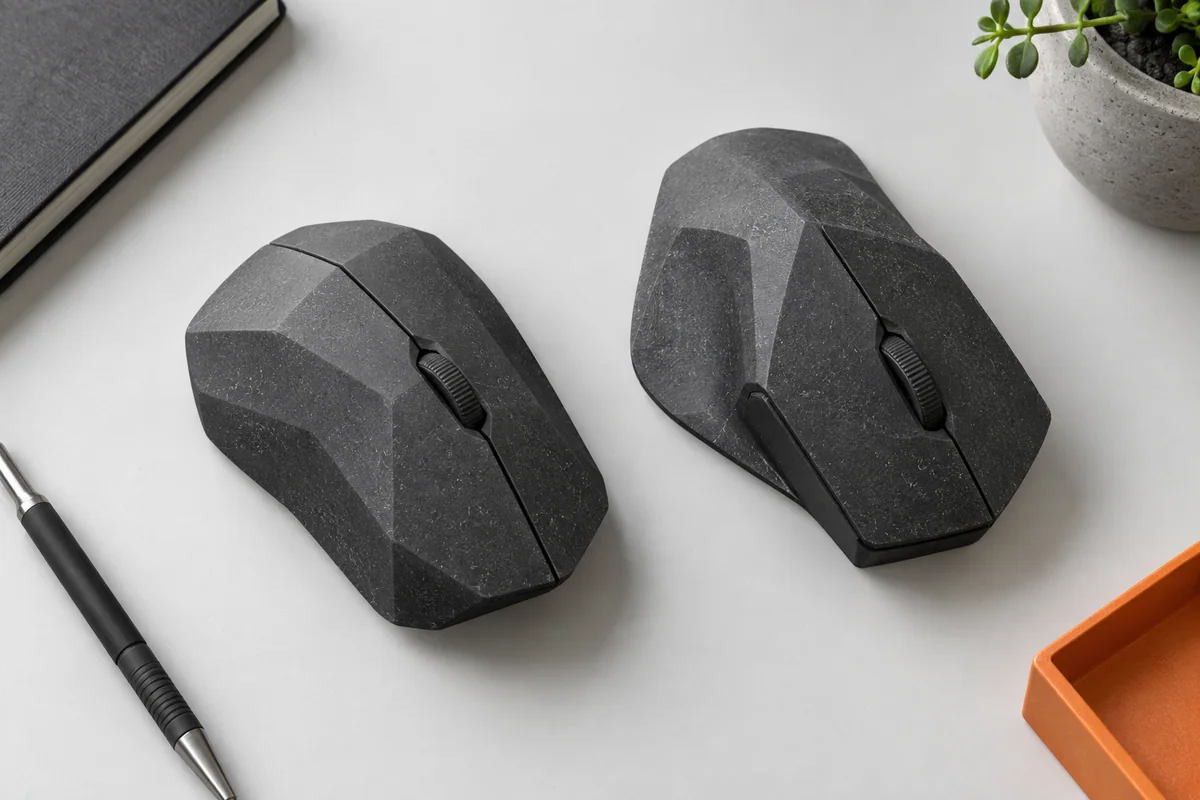
 FDM
FDMPLA-CF (carbon-fibre-reinforced polylactide)
High-quality display models, dimensionally stable prototypes, fixture concepts and rigid indoor covers.
Material details about PLA-CFGreater stiffness, a technical surface finish and a choice of base plastics. CF describes the reinforcement. Your application determines which material suits your part.
Compare all 9 variants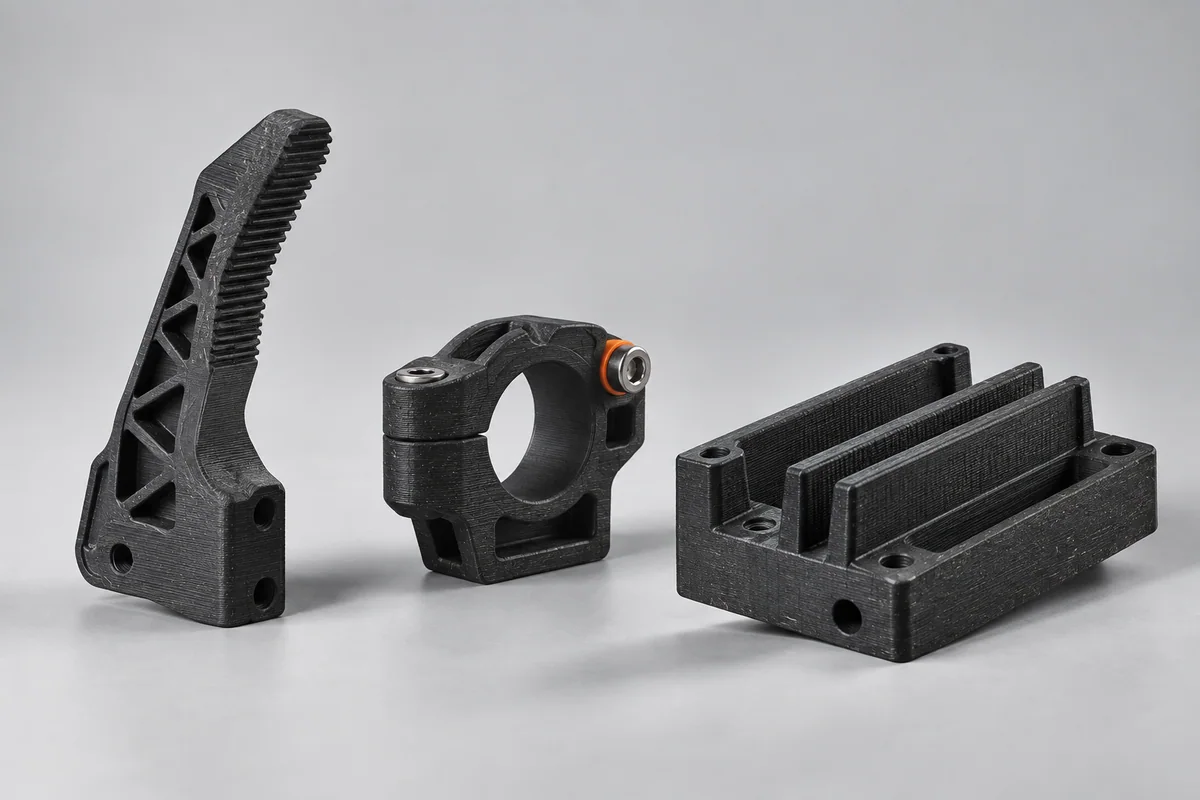
Compare materials by application, thermal performance and mechanical properties.
Temperature behaviour, chemical resistance and moisture absorption depend largely on the plastic used.
Load paths, wall thicknesses and print orientation help put the added stiffness to effective use.
From PLA-CF for rigid models to PPS-CF for demanding functional parts: compare the strengths of the different base plastics.
The strengths and typical applications of carbon fibre materials at a glance.
| Material | Key strength | Example application | Selection considerations |
|---|---|---|---|
| PLA-CF Polylactic acid as the base plastic | The fibre filling combines high stiffness with a distinctive surface and well-defined detail. | High-quality display models, dimensionally stable prototypes, fixture concepts and rigid indoor covers. | For flexible clips, heavy impacts or sustained heat exposure, we consider a tougher or more thermally suitable alternative. |
| PETG-CF Glycol-modified polyethylene terephthalate as the base plastic | PETG-CF combines the practical versatility of PETG with added stiffness and a high-quality technical surface finish. | Rigid brackets, equipment housings, assembly aids and dimensionally stable functional prototypes. | For frequent bending or high impact loads, a tougher grade is often a better fit. Heat exposure and contact with substances are considered for each project. |
| PET-CF Polyethylene terephthalate as the base plastic | Carbon fibres support high stiffness and a consistent technical surface finish with low sensitivity to moisture. | PET-CF is suitable for rigid assembly holders, precision brackets, fixtures and functional components with specific shape requirements. | Heat treatment is part of the material specification described. Close fits and thin overhangs are designed accordingly. |
| ASA-CF Acrylonitrile styrene acrylate as the base plastic | Weather resistance and fibre stiffness support dimensionally stable parts with a high-quality matt finish. | Rigid outdoor panels, equipment brackets, covers and custom housings exposed to direct sunlight. | Duration, climate and mechanical loads determine the design. For spring tabs and repeated bending, we select a more suitable grade. |
| PA-CF Polyamide as the base plastic | A nylon base and fibre filling combine mechanical capability with high dimensional stability and a textured surface. | Gripper parts, assembly holders, adapters and functional housings for machinery and fixtures. | Moisture affects dimensions and mechanical behaviour. Functional dimensions and loads are matched to the eventual operating conditions. |
| PA12-CF Polyamide 12 as the base plastic | This material combines high stiffness with low sensitivity to moisture, making it an attractive option for dimensionally accurate technical parts. | Precision assembly aids, fixtures, gauges and rigid connecting elements. | For impact loads or spring connections, we consider the geometry and a tougher material variant. |
| PC-CF Polycarbonate as the base plastic | The fibre-filled polycarbonate base provides high stiffness for compact parts with low deflection. | Rigid equipment brackets, mounting plates, housing components and precision functional prototypes. | Compatibility with cleaning agents and solvents needs to be checked. Spring features or geometries exposed to strong impacts require specific design consideration. |
| PPA-CF Polyphthalamide as the base plastic | PPA and carbon fibres offer high stiffness and strong performance for demanding operating conditions. | Rigid assembly fixtures, heat-exposed brackets and compact technical functional parts. | Load direction and operating duration are decisive when selecting the material. More compliant grades are suitable for flexible connections. |
| PPS-CF Polyphenylene sulphide as the base plastic | PPS combined with carbon fibres offers high dimensional stability, low moisture absorption and a capable foundation for technical parts. | PPS-CF is suitable for rigid brackets, housings and tooling components in thermally or chemically demanding environments. | Geometry is specifically adapted for impact loads and very thin connections. Substance exposure, temperature and sustained loads are considered together. |
Applications and material properties for each base plastic.
FDMHigh-quality display models, dimensionally stable prototypes, fixture concepts and rigid indoor covers.
Material details about PLA-CF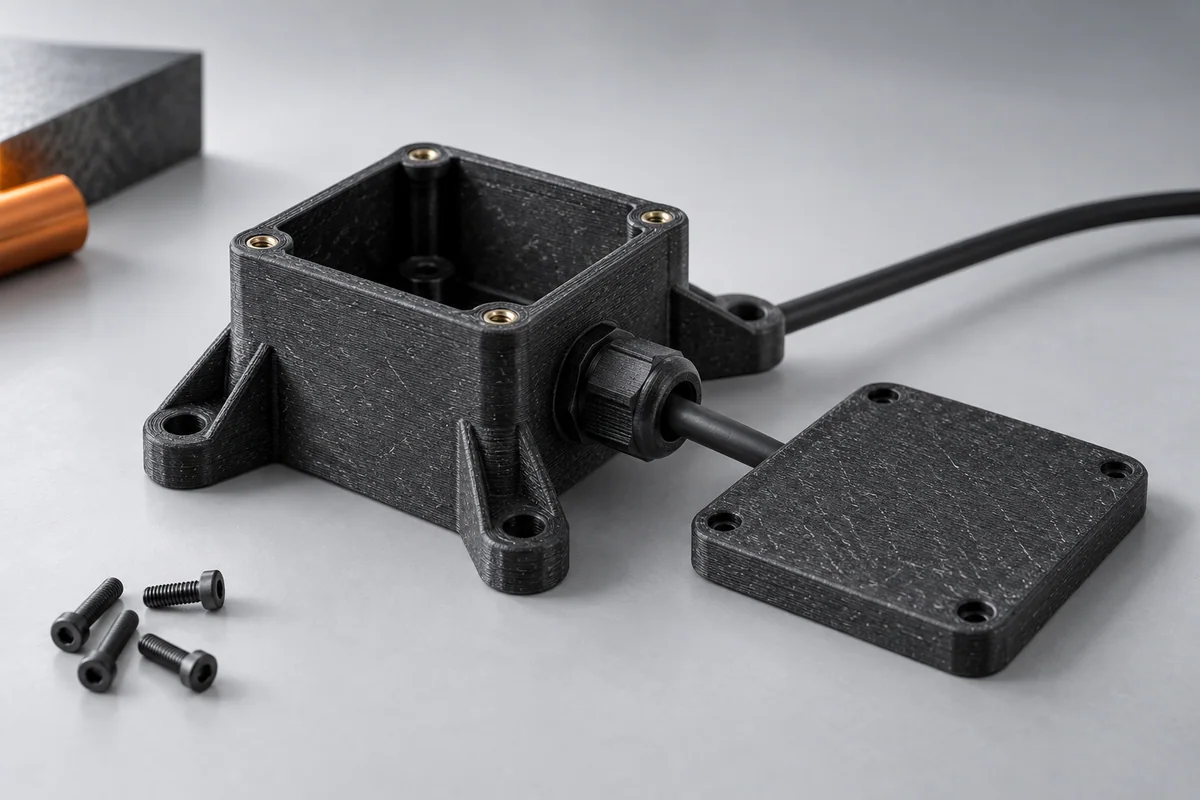 FDM
FDMRigid brackets, equipment housings, assembly aids and dimensionally stable functional prototypes.
Material details about PETG-CF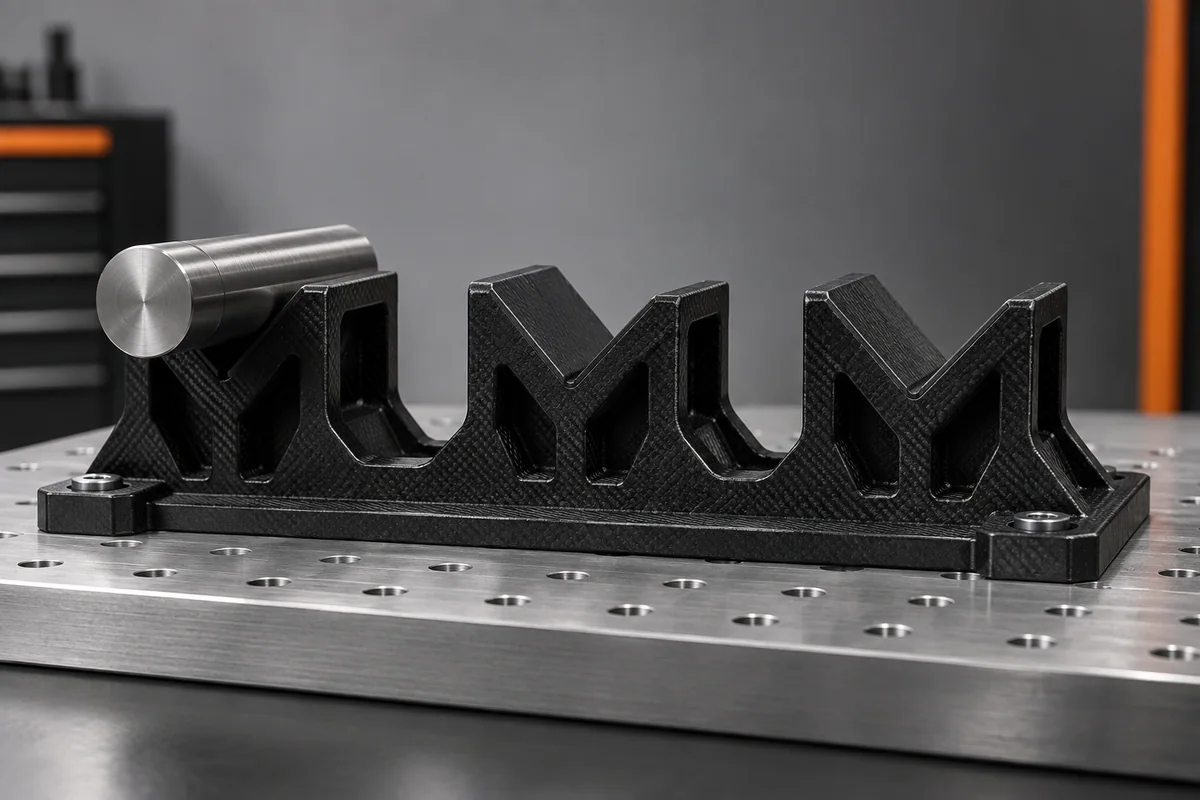 FDM
FDMPET-CF is suitable for rigid assembly holders, precision brackets, fixtures and functional components with specific shape requirements.
Material details about PET-CF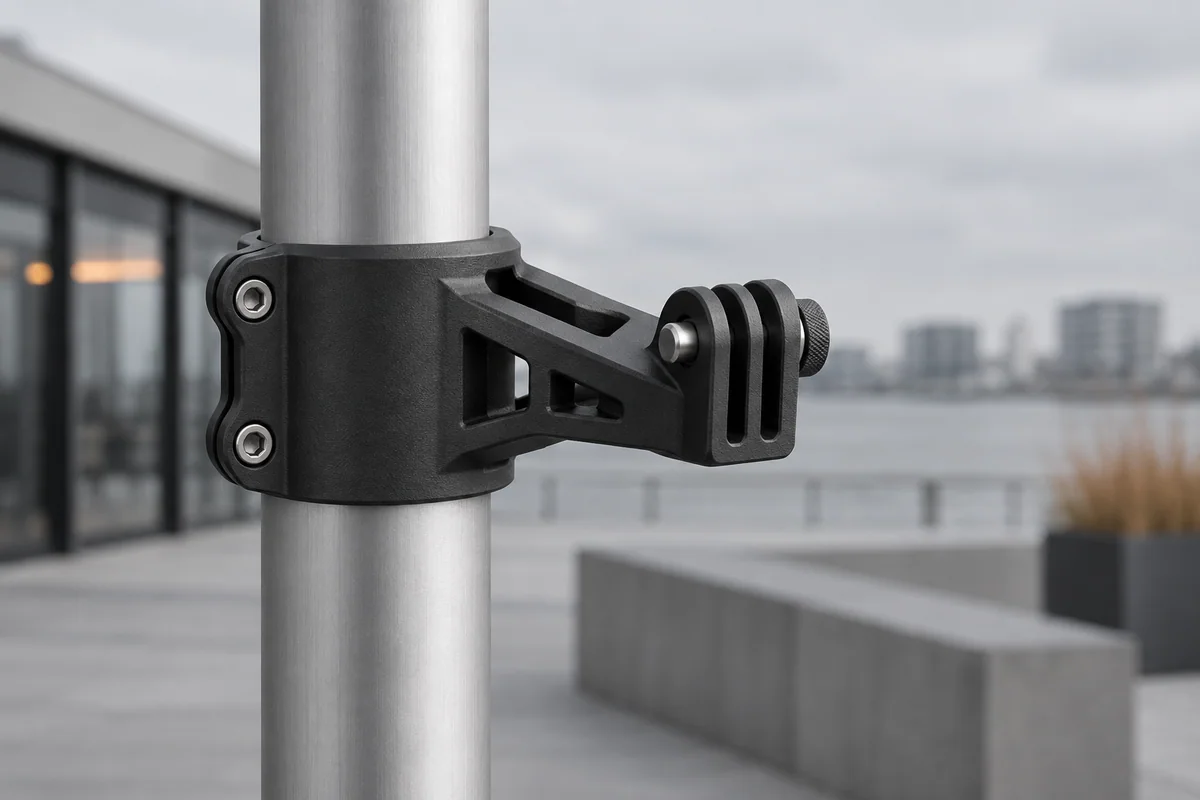 FDM
FDMRigid outdoor panels, equipment brackets, covers and custom housings exposed to direct sunlight.
Material details about ASA-CF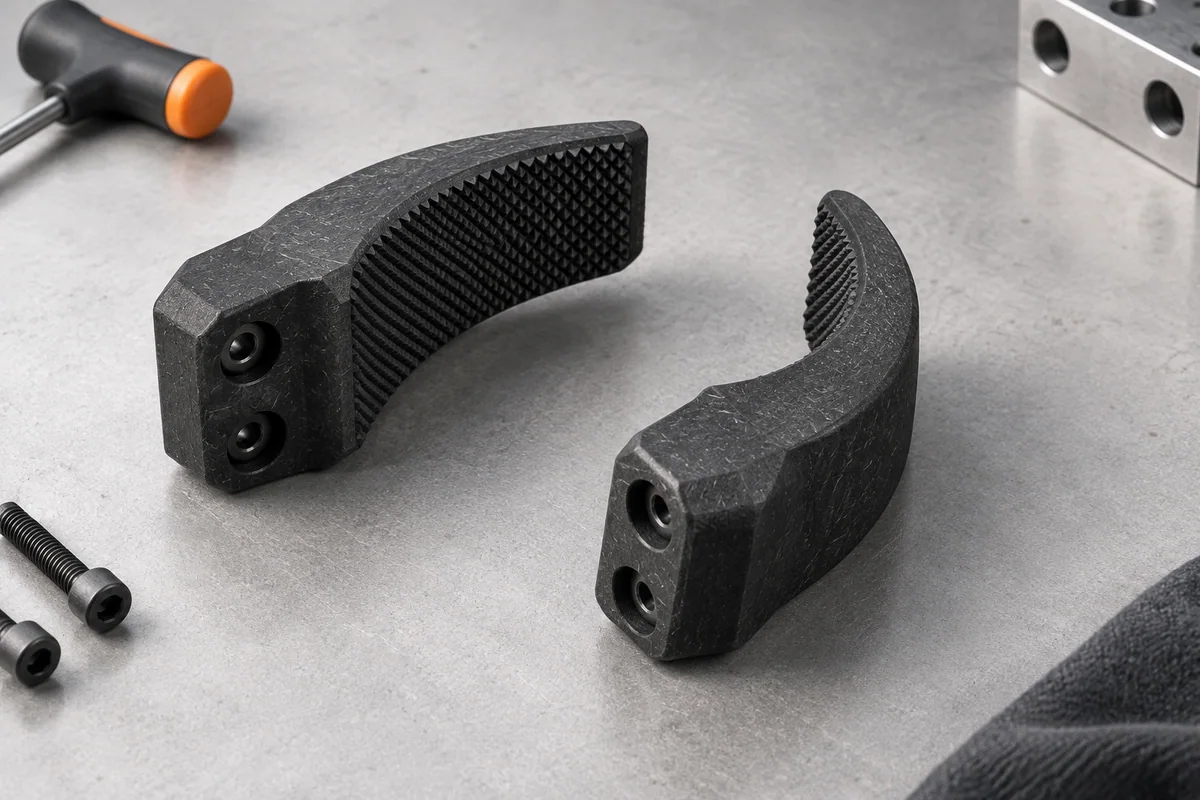 FDM
FDMGripper parts, assembly holders, adapters and functional housings for machinery and fixtures.
Material details about PA-CF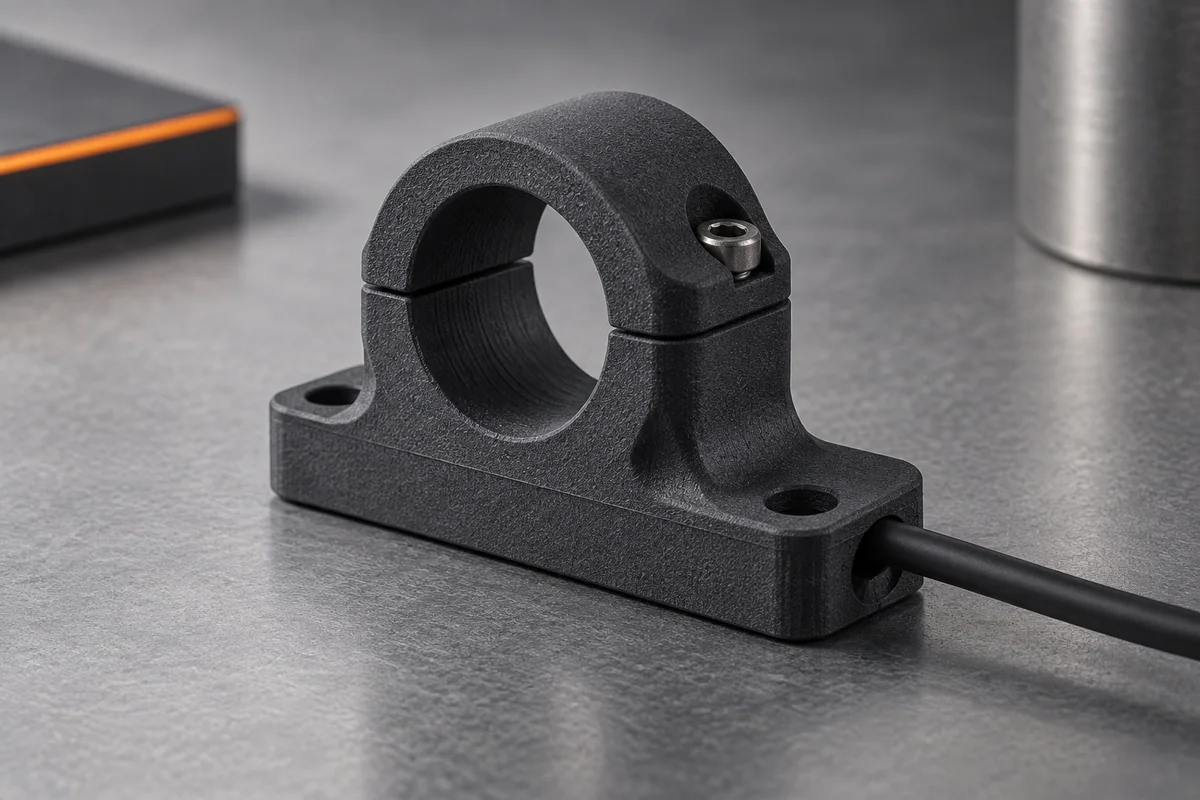 FDM
FDMPrecision assembly aids, fixtures, gauges and rigid connecting elements.
Material details about PA12-CF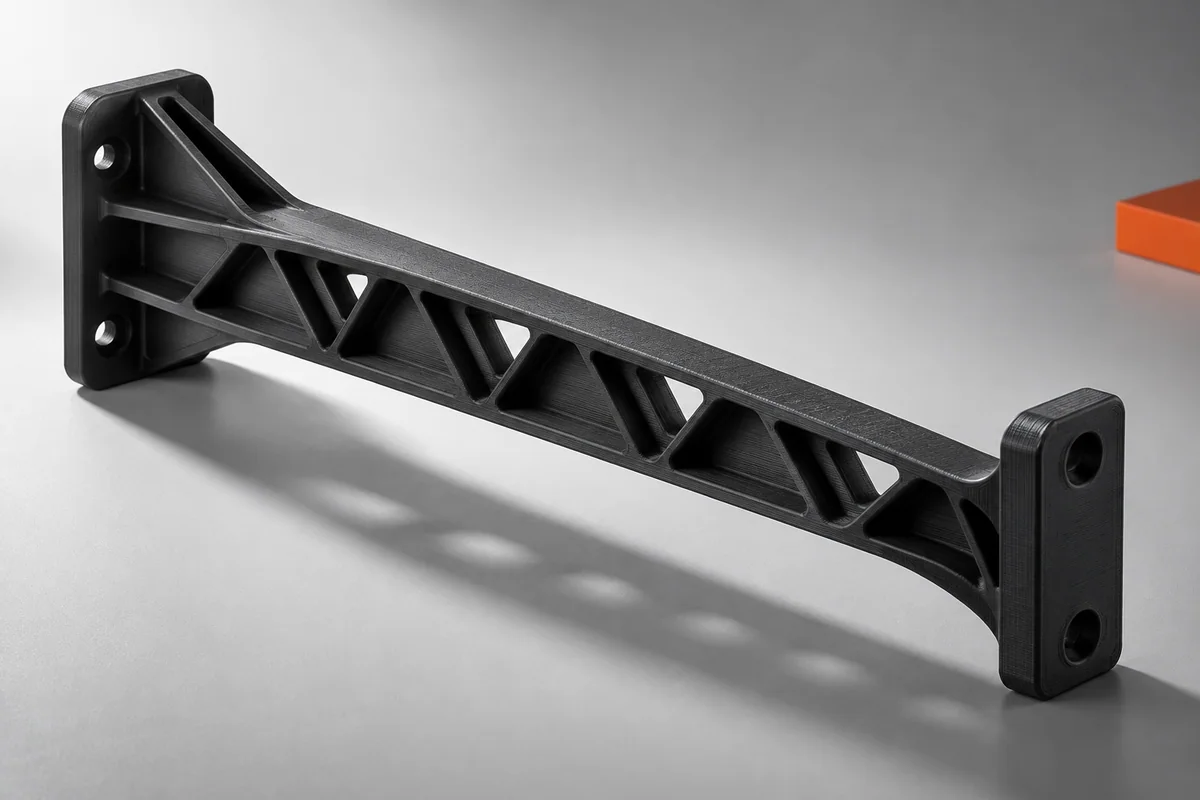 FDM
FDMRigid equipment brackets, mounting plates, housing components and precision functional prototypes.
Material details about PC-CF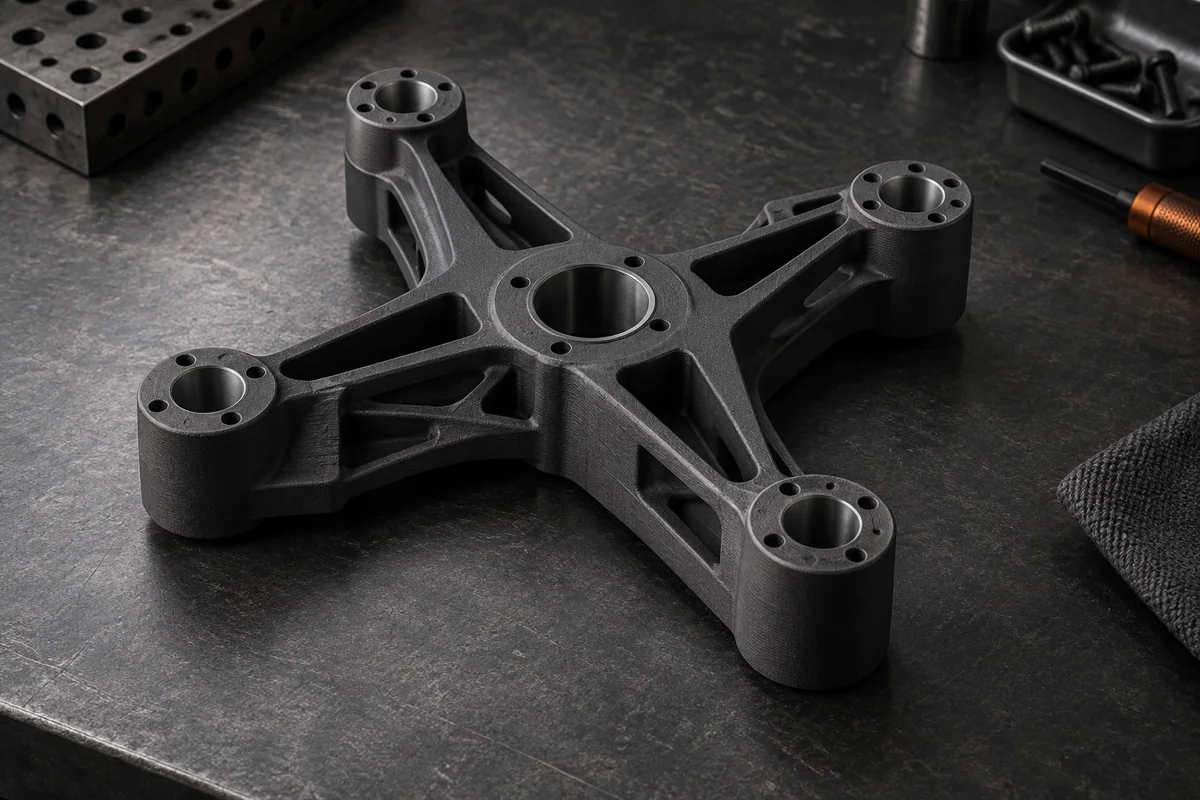 FDM
FDMRigid assembly fixtures, heat-exposed brackets and compact technical functional parts.
Material details about PPA-CF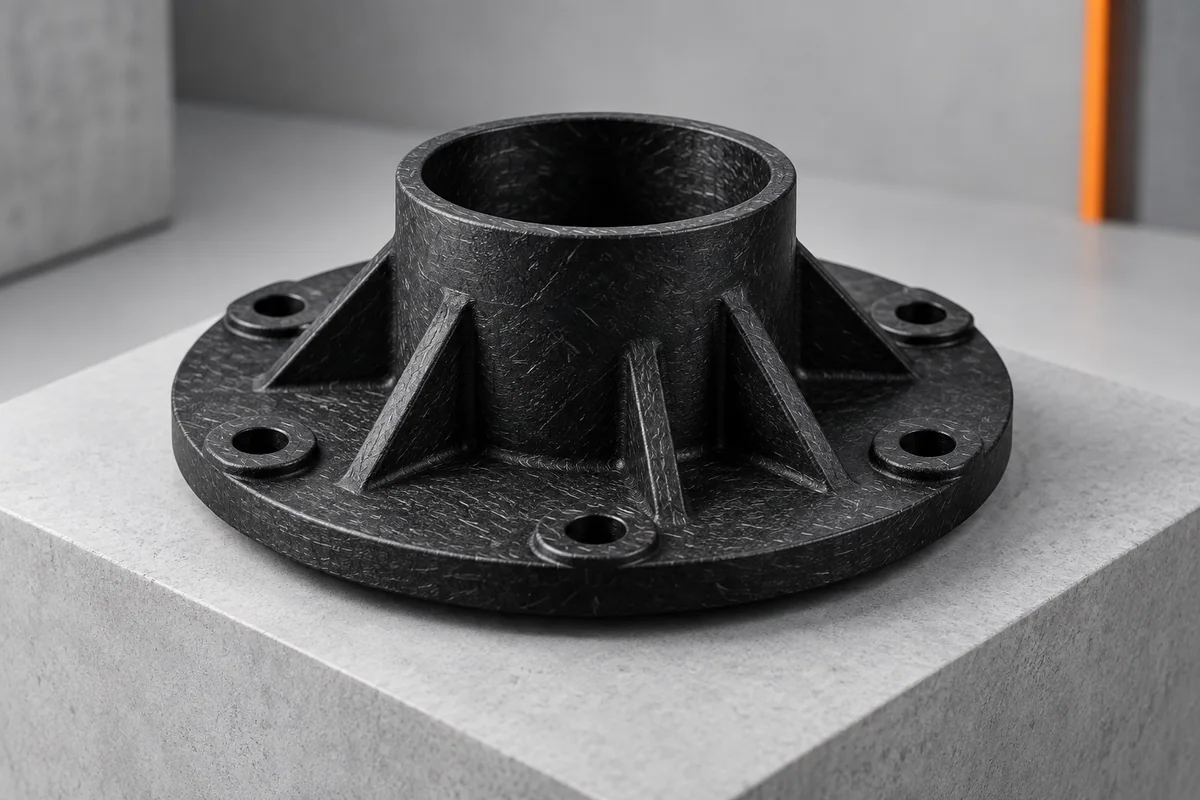 FDM
FDMPPS-CF is suitable for rigid brackets, housings and tooling components in thermally or chemically demanding environments.
Material details about PPS-CFSend your CAD file or describe your task. Together, we will define the right specification for your project.
Your enquiry is non-binding. Chargeable work only begins once you place an order.