Function beyond standard shapes
Mounting features, cable routes and holders are created to suit your part. This allows you to complement existing assemblies and support individual workflows.
For example: sensor mounts and assembly fixtures.
Housings, brackets, functional samples and small production runs from your 3D data. Each part is built layer by layer from plastic filament.
No 3D file yet? Describe the part and add any dimensions, sketches or photos you have.
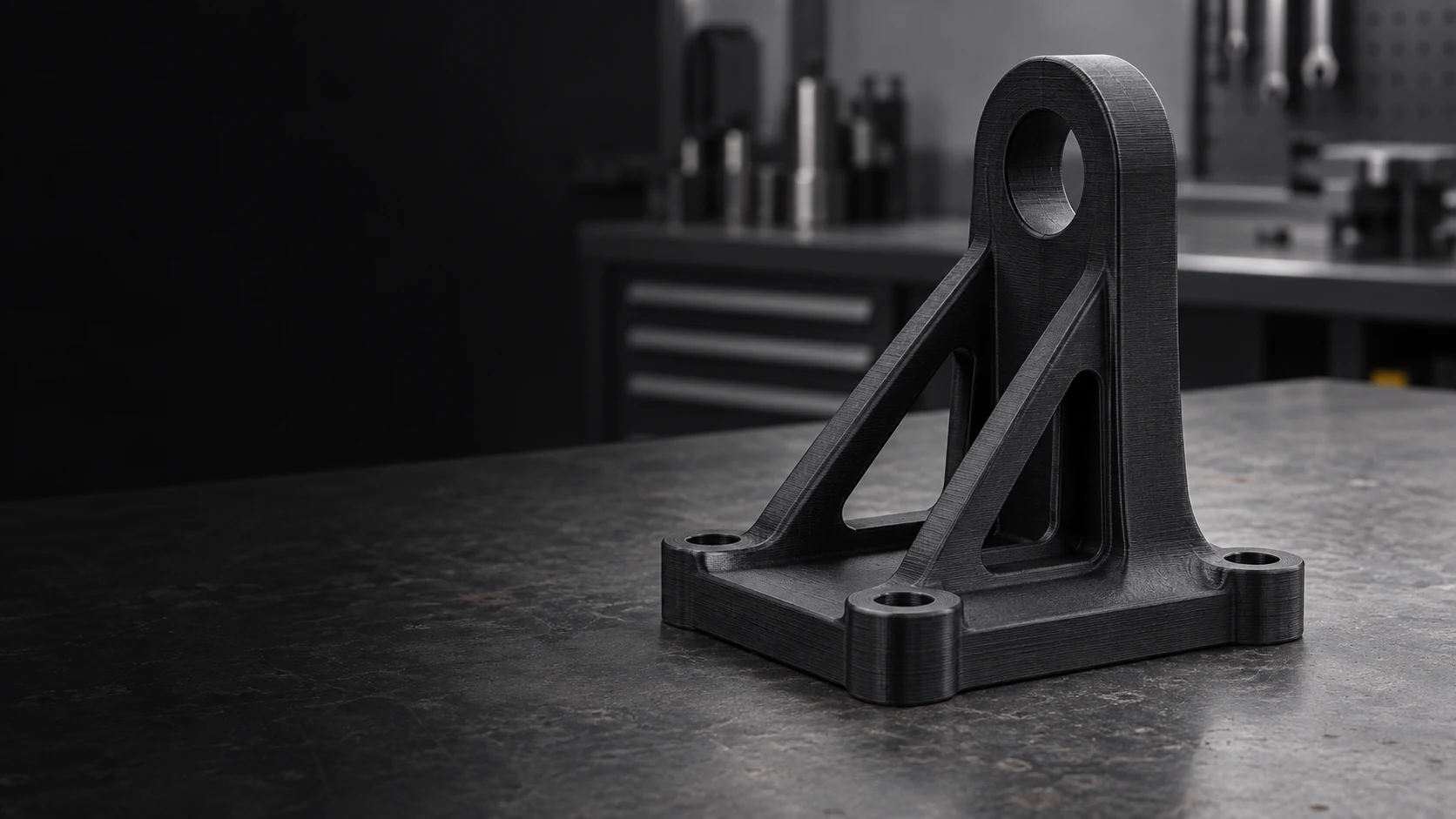
A printed part's properties depend on more than its material. Geometry, print orientation, wall structure and load direction also affect the result. Please specify the intended application and all function-critical requirements.
Mounting features, cable routes and holders are created to suit your part. This allows you to complement existing assemblies and support individual workflows.
For example: sensor mounts and assembly fixtures.
Rigid, tough, flexible or suited to outdoor use: thermoplastics offer different property profiles. We consider temperature, loads and environment when selecting a material.
For example: ASA for outdoor applications, TPU for buffers.
FDM requires no dedicated injection mould. This makes it attractive for one-off parts and small quantities. A new geometry can be requested using an adapted file.
For example: a fit-check sample first, then the approved production run.
FDM, also called FFF, melts plastic filament and deposits it in paths. Many layers stacked on top of one another form the part. Outer walls, internal infill and print direction are planned to suit the task.
FDM can reproduce functional geometries and agreed fits. For a good result, we consider the selected layer height, nozzle diameter and required dimensional accuracy separately.
This machine specification for print accuracy is not a verified FORMACT part tolerance. Material, geometry and dimension size affect the deviation actually achievable.
A layer height of 0.2 mm is a technical starting point. Finer layers can reduce stepping; the appropriate setting depends on geometry and material.
The nozzle affects path width and reproducible contours. Its diameter is neither a guaranteed wall thickness nor the dimensional tolerance of a finished part.
These technical reference values help explain the process. They are not based on our own measurement series on FORMACT parts and are not guaranteed finished-part tolerances.
Layer height and resolution describe the printing process. A dimensional tolerance describes the permitted deviation of the finished part. We confirm binding part tolerances in the quotation after reviewing your data.
The specified dimension would be permitted to fall between 19.90 and 20.10 mm. This calculation example is a requirement, not a manufacturing commitment.
Send a drawing for assessmentLoads, temperature and environment determine the material choice. Explore the materials and compare their applications, strengths and limitations.
Compare materials by application, thermal performance and mechanical properties.

Display models, design samples, presentation pieces and precisely fitting organisers for indoor use.
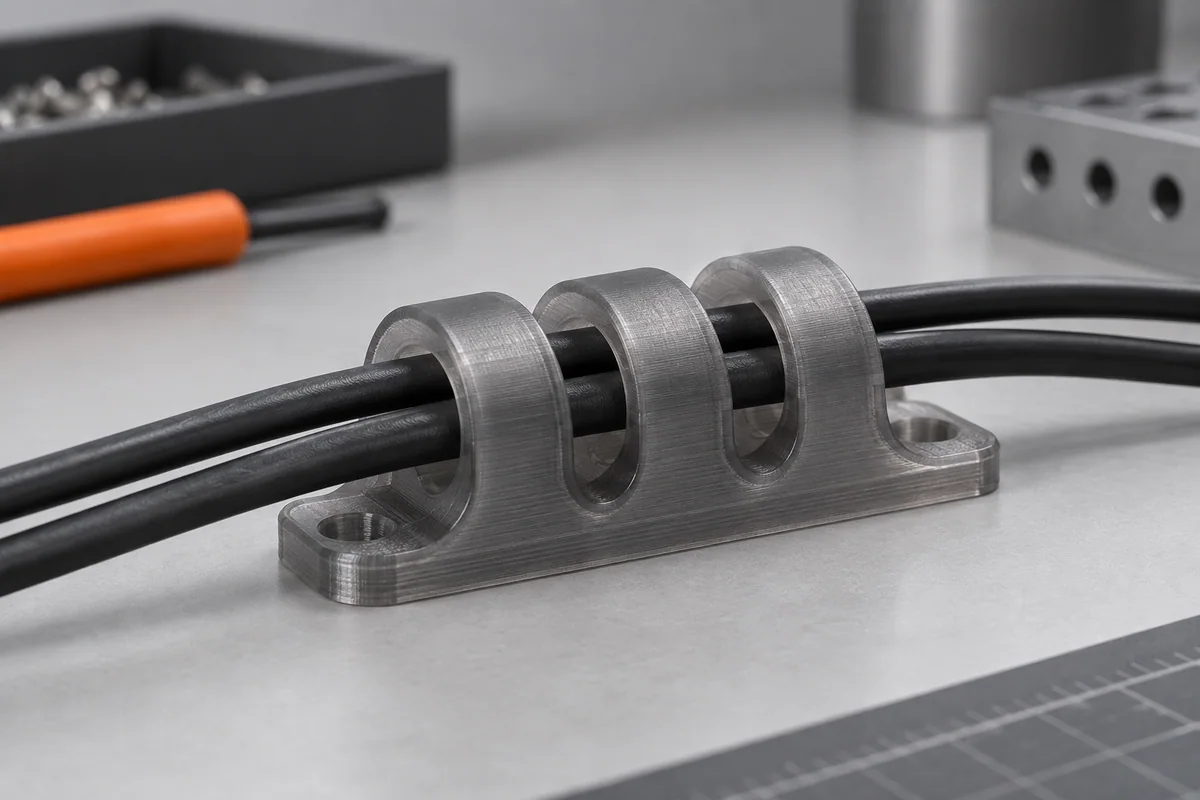
Housings, covers, brackets, adapters and functional prototypes for everyday use and the workshop.
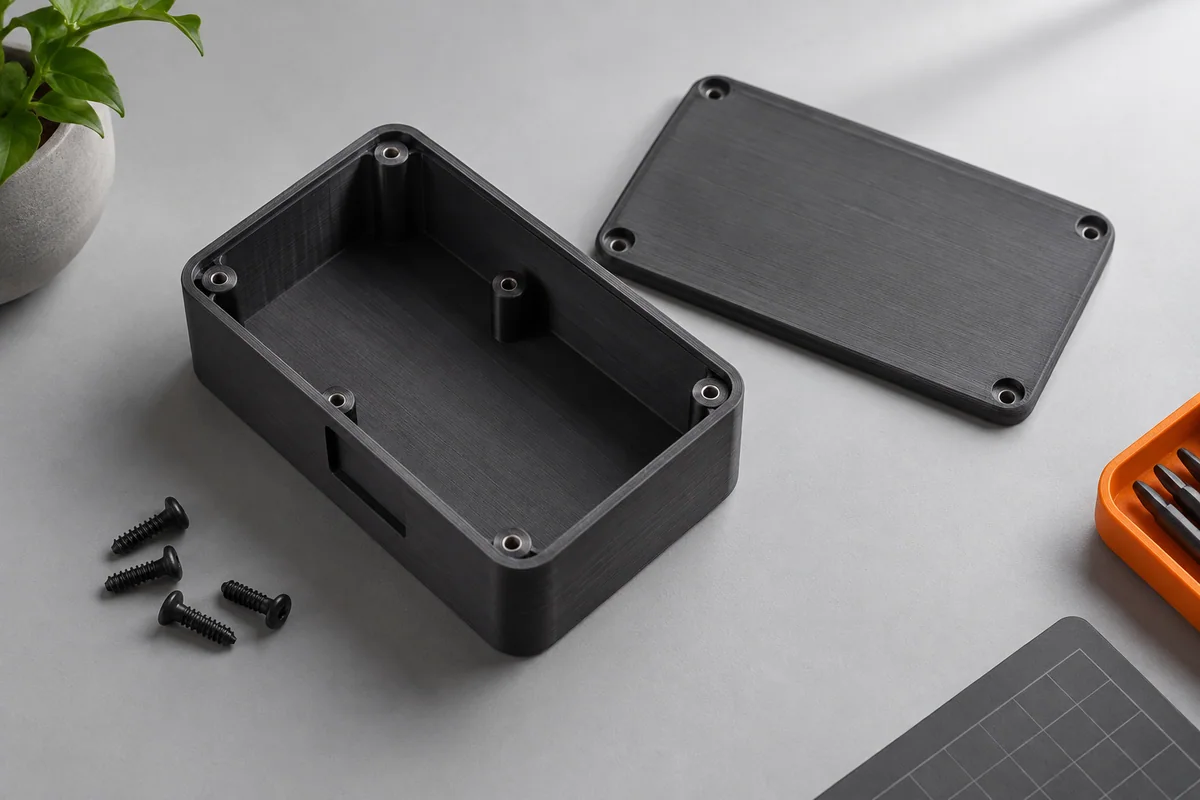
Robust housings, control components and covers, assembly aids and durable functional prototypes.
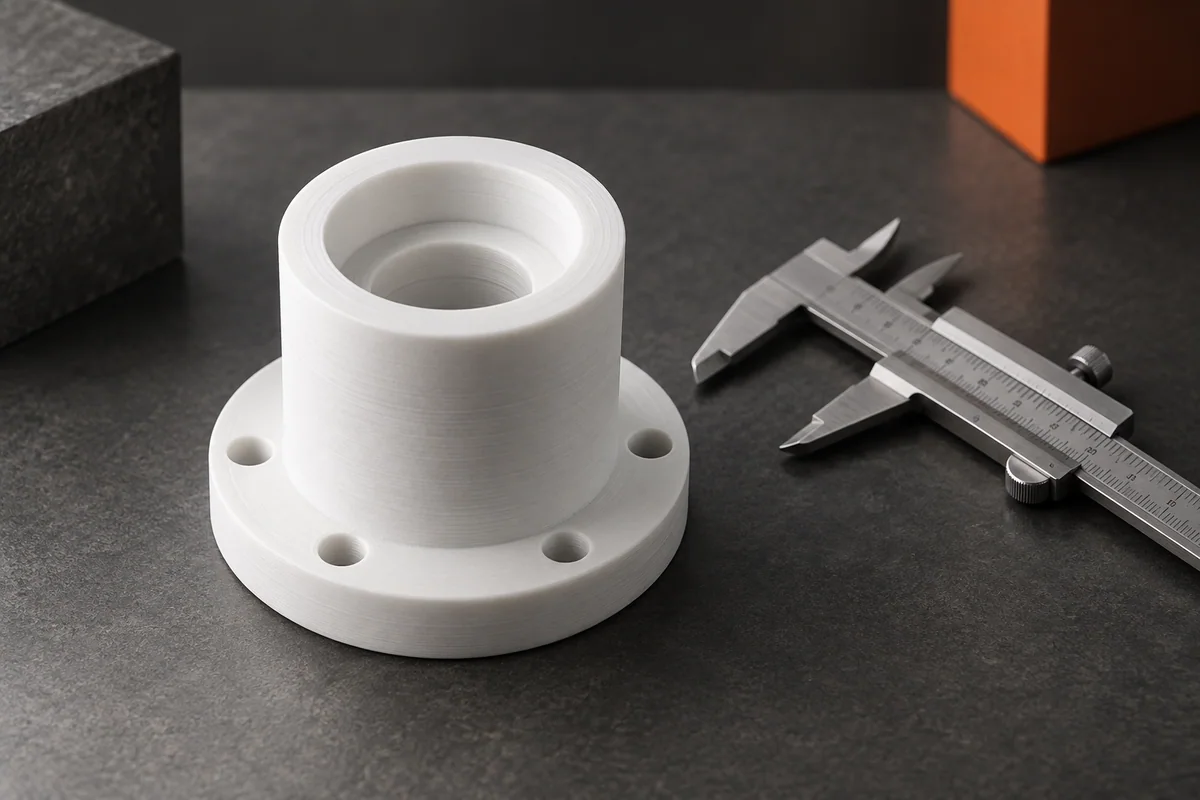
Precisely fitting housings, covers, brackets and fixtures, as well as functional prototypes.

Outdoor housings, covers, brackets and functional samples where weather resistance and appearance matter.
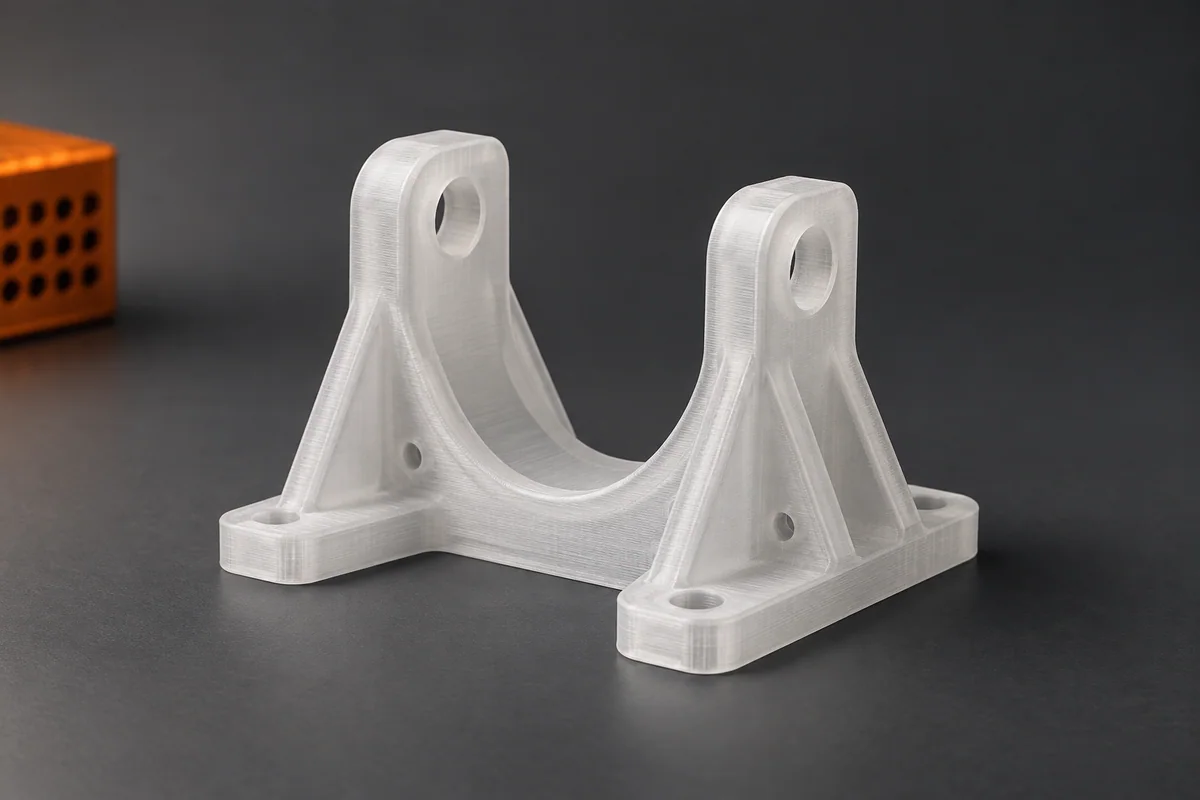
Sturdy housings, functional prototypes, load-bearing brackets and fixtures for demanding technical tasks.
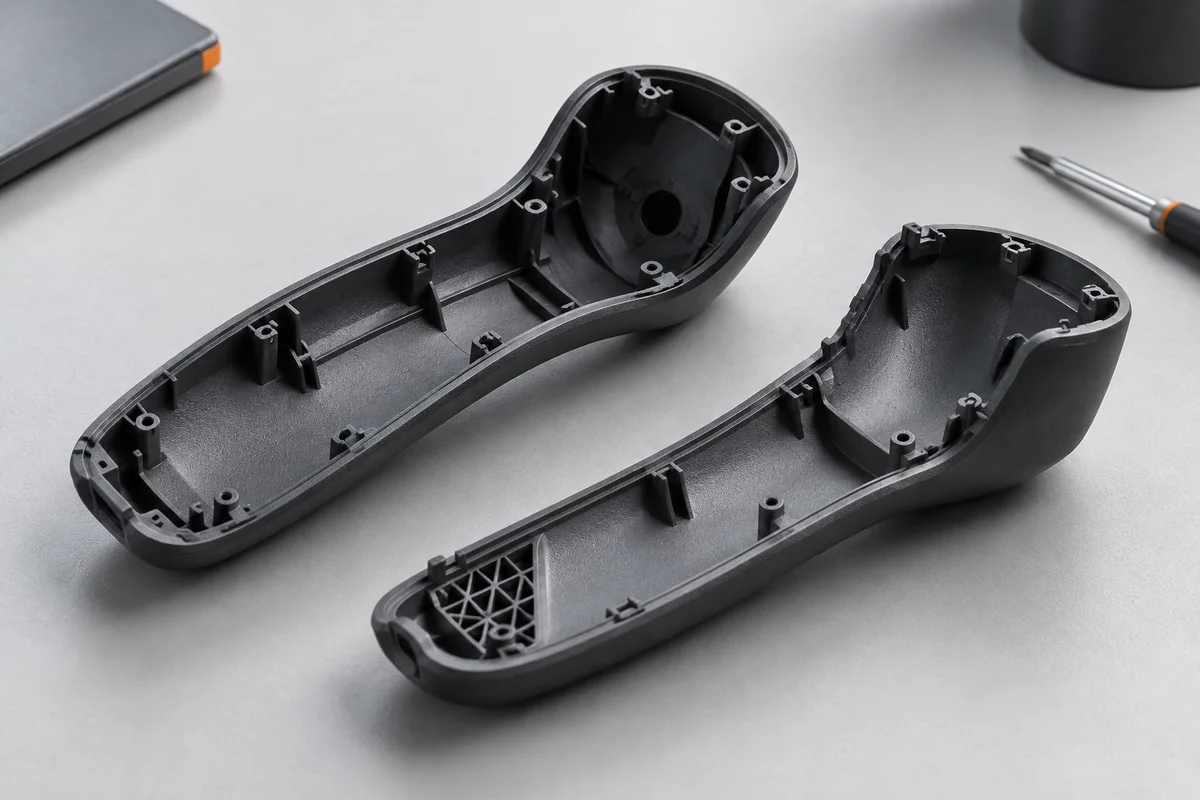
Impact-exposed housings, sturdy covers, assembly aids and technical functional samples.
Durable brackets, moving functional parts, assembly aids and technical prototypes that require toughness.
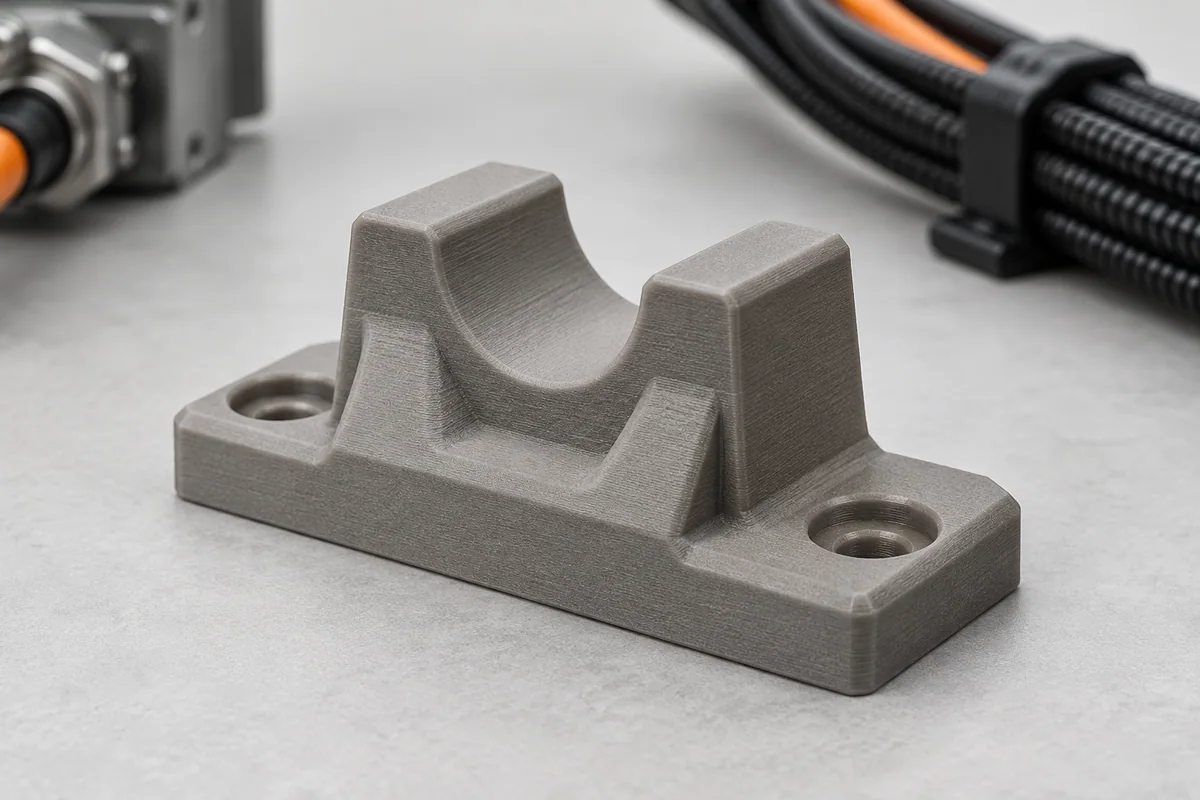
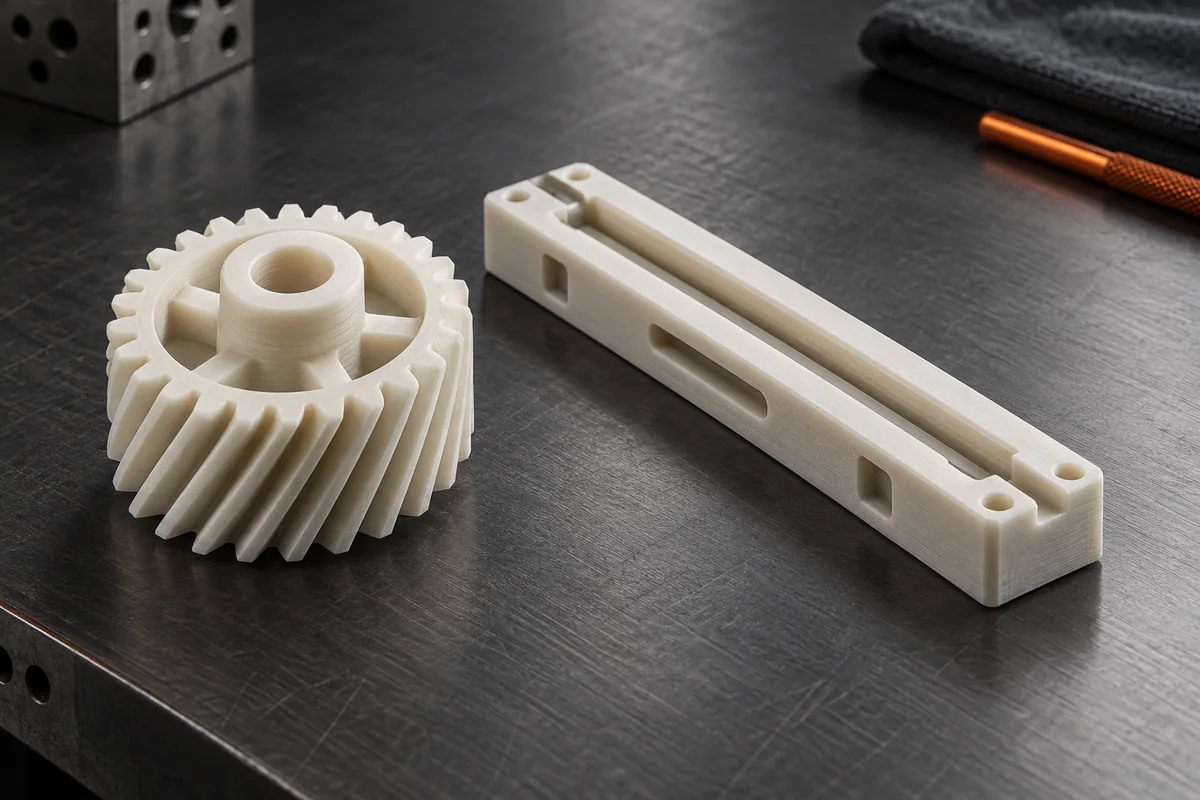
PPA is suitable for functional prototypes, sliding and guide elements, gears and custom assembly aids.
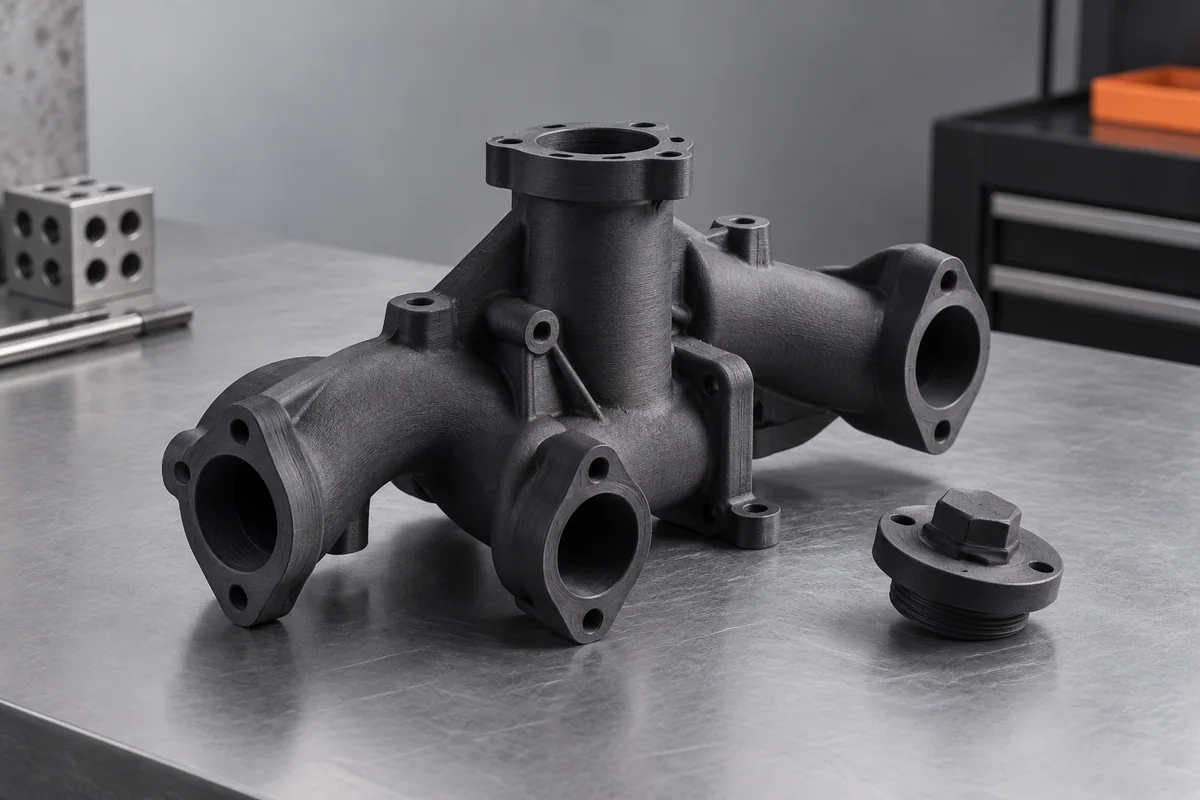
PPS is suitable for precision functional parts, housings and brackets in demanding technical environments.
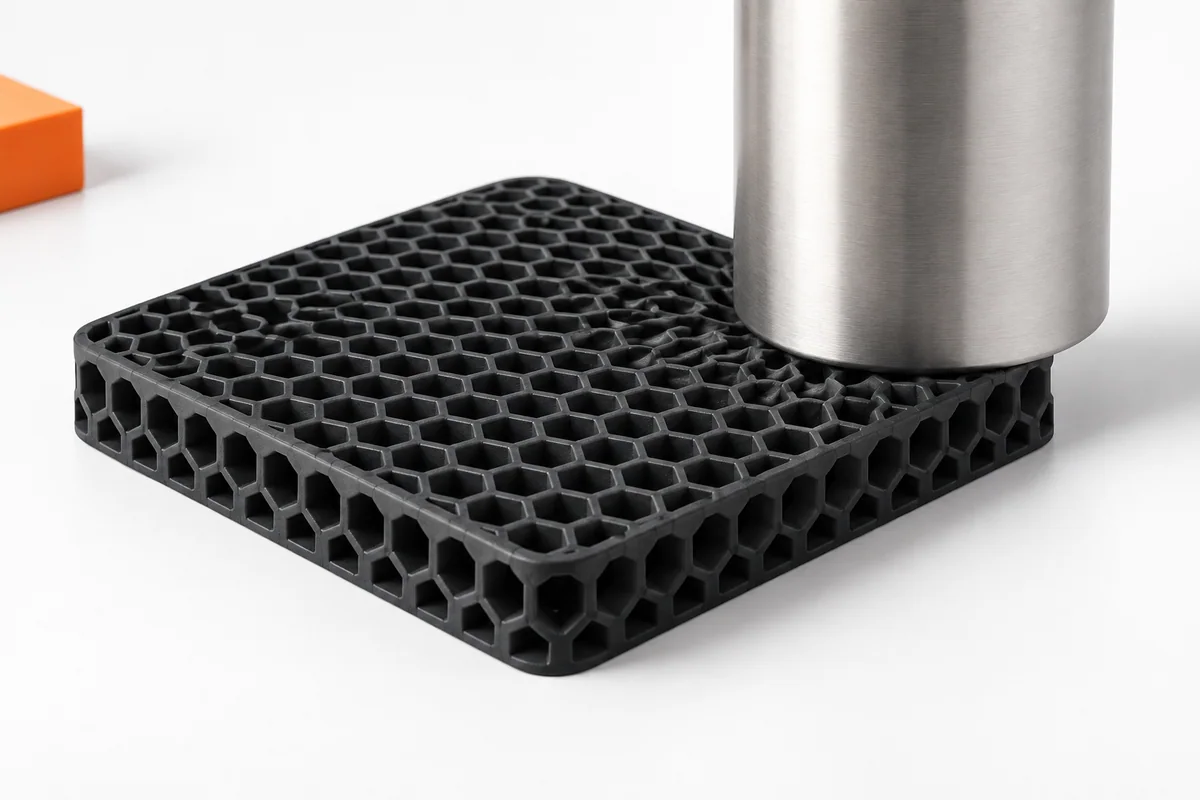
Elastic buffers, protective caps, non-slip contact parts, grips and cushioning functional elements.
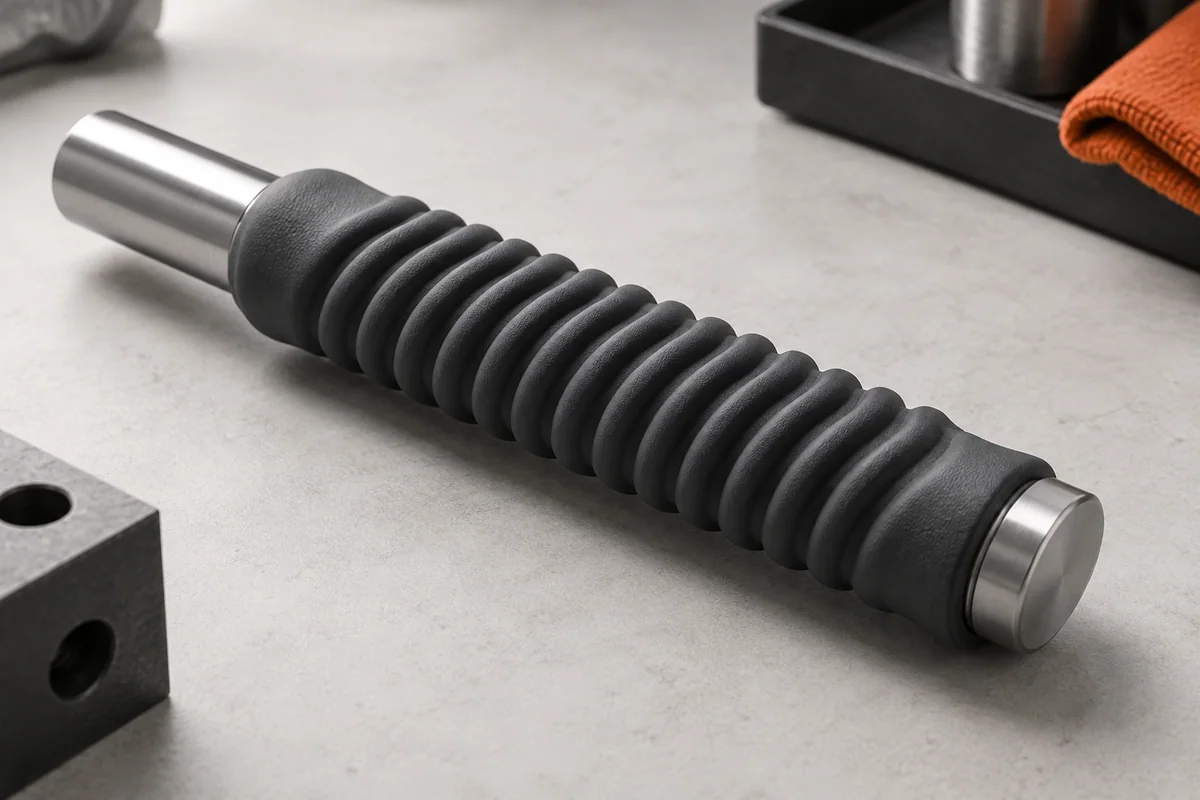
Soft contact surfaces, cushioning pads, grips and custom-shaped seal concepts.
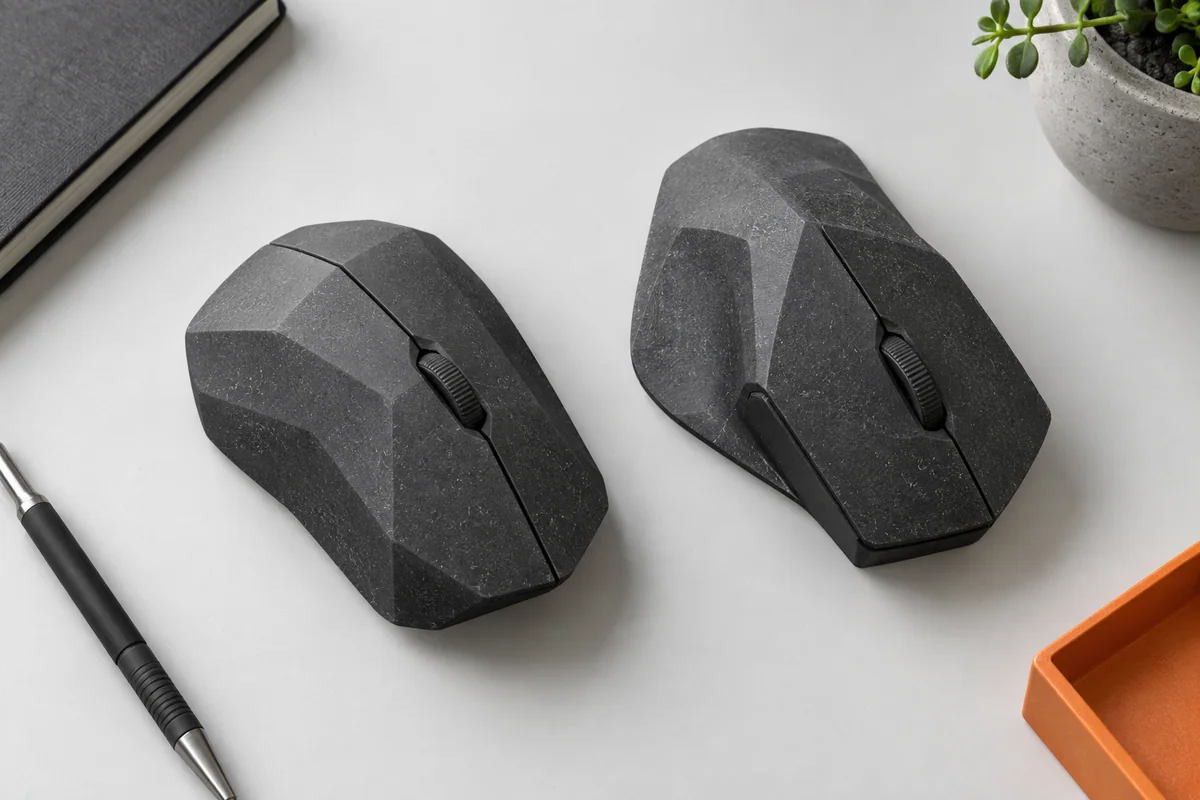
High-quality display models, dimensionally stable prototypes, fixture concepts and rigid indoor covers.
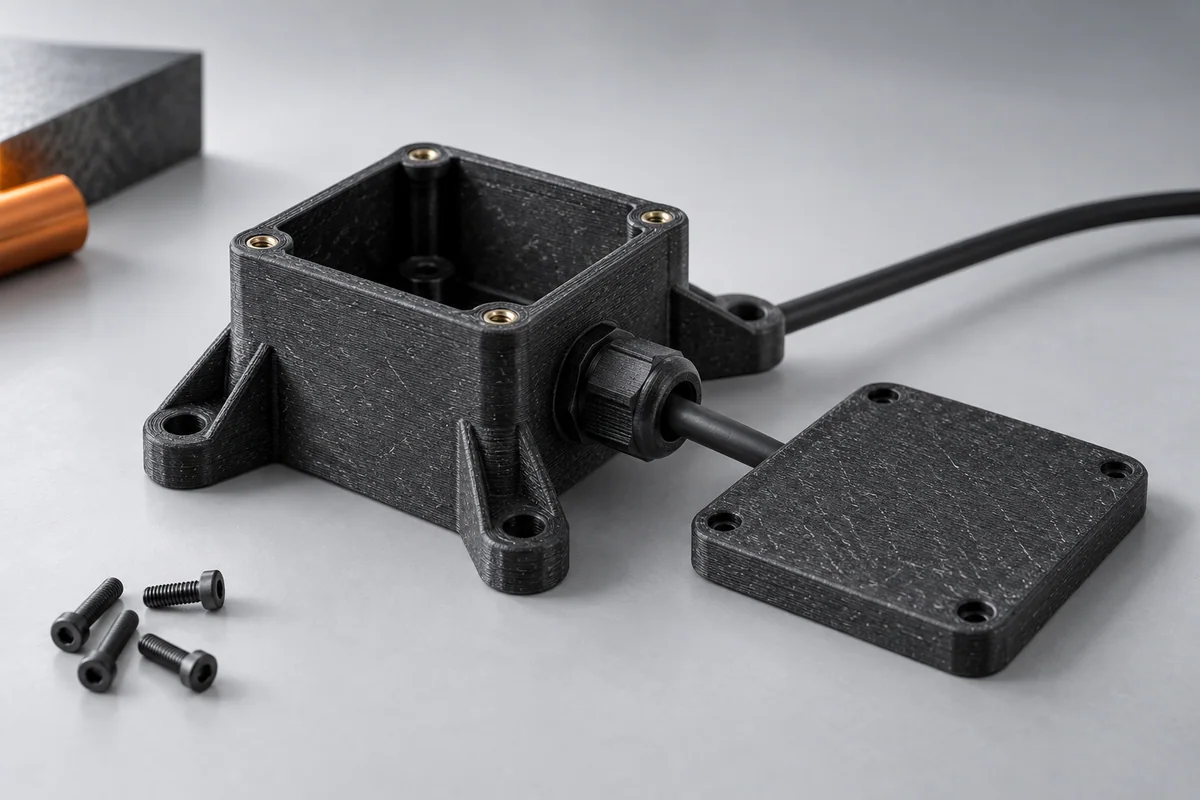
Rigid brackets, equipment housings, assembly aids and dimensionally stable functional prototypes.
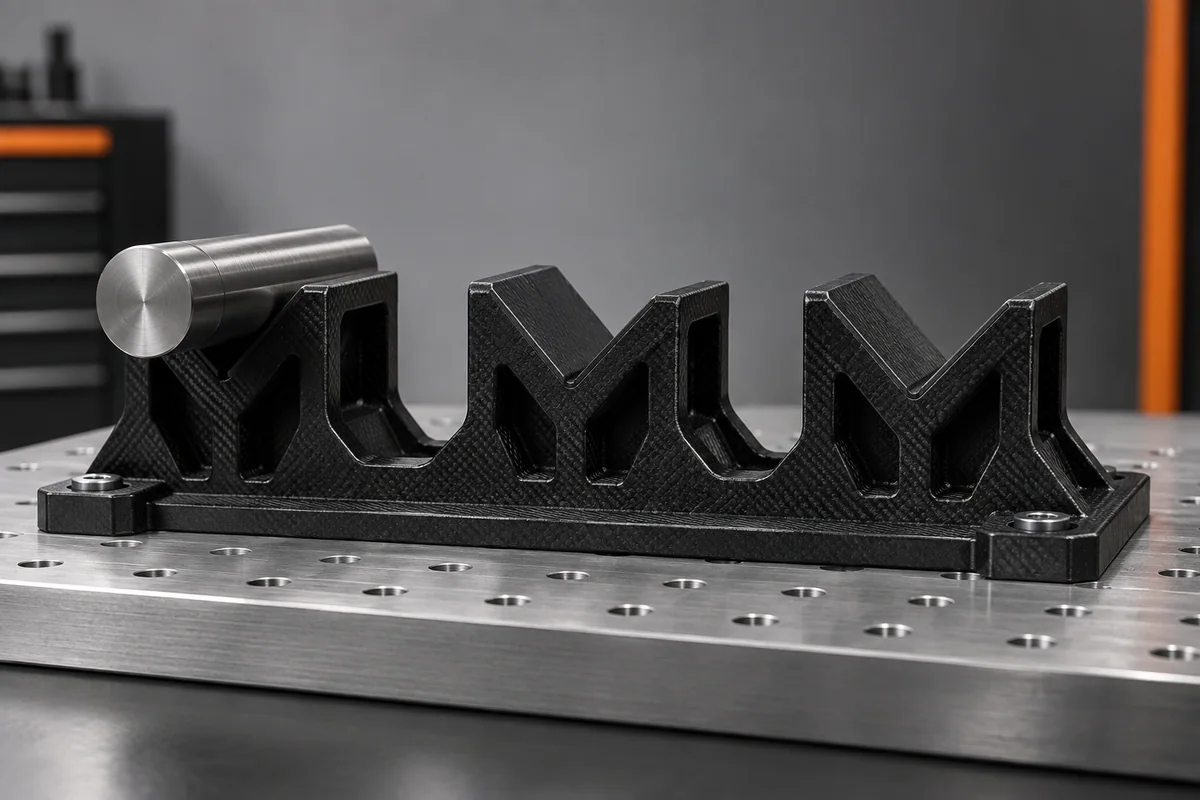
PET-CF is suitable for rigid assembly holders, precision brackets, fixtures and functional components with specific shape requirements.
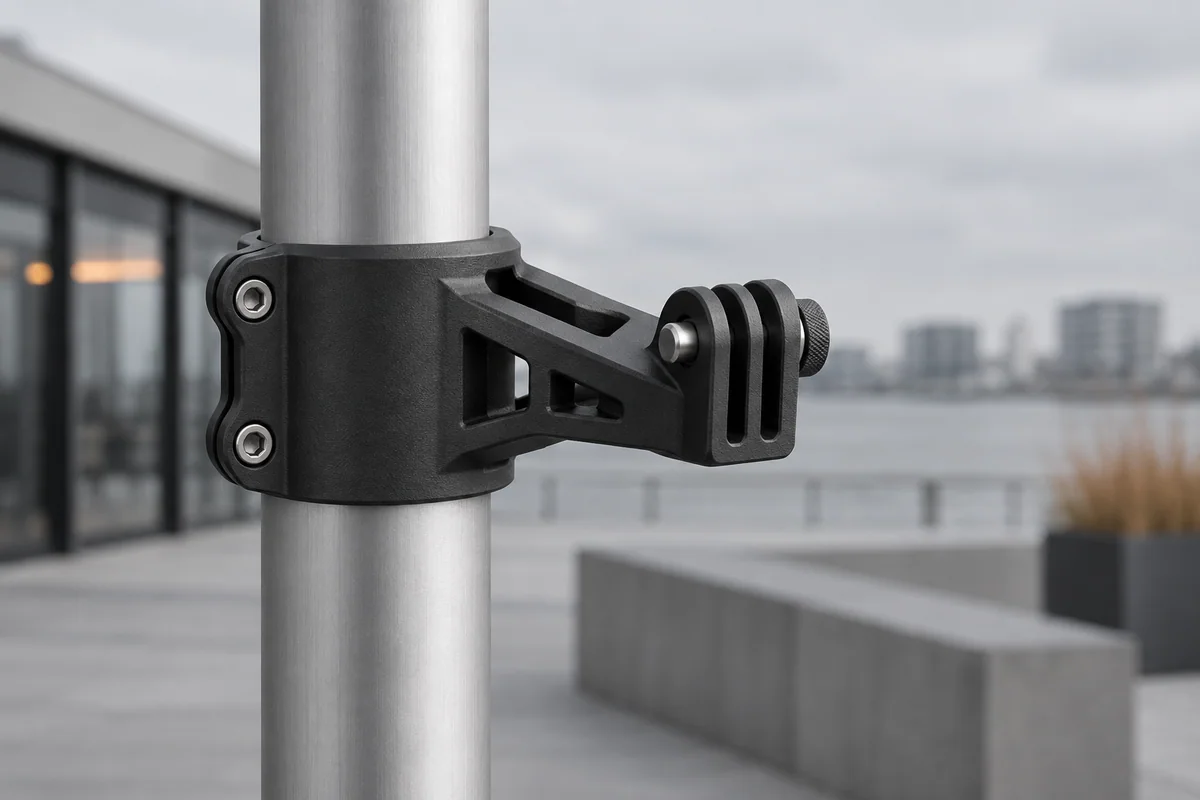
Rigid outdoor panels, equipment brackets, covers and custom housings exposed to direct sunlight.
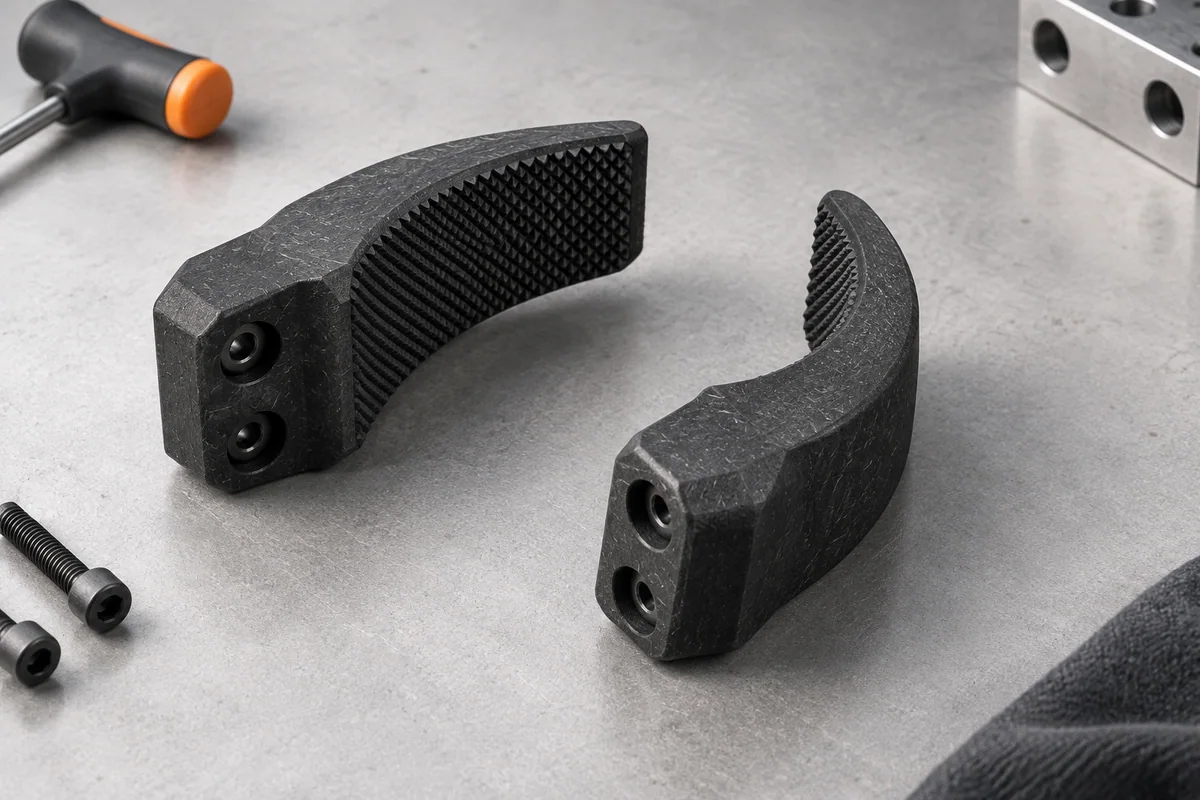
Gripper parts, assembly holders, adapters and functional housings for machinery and fixtures.
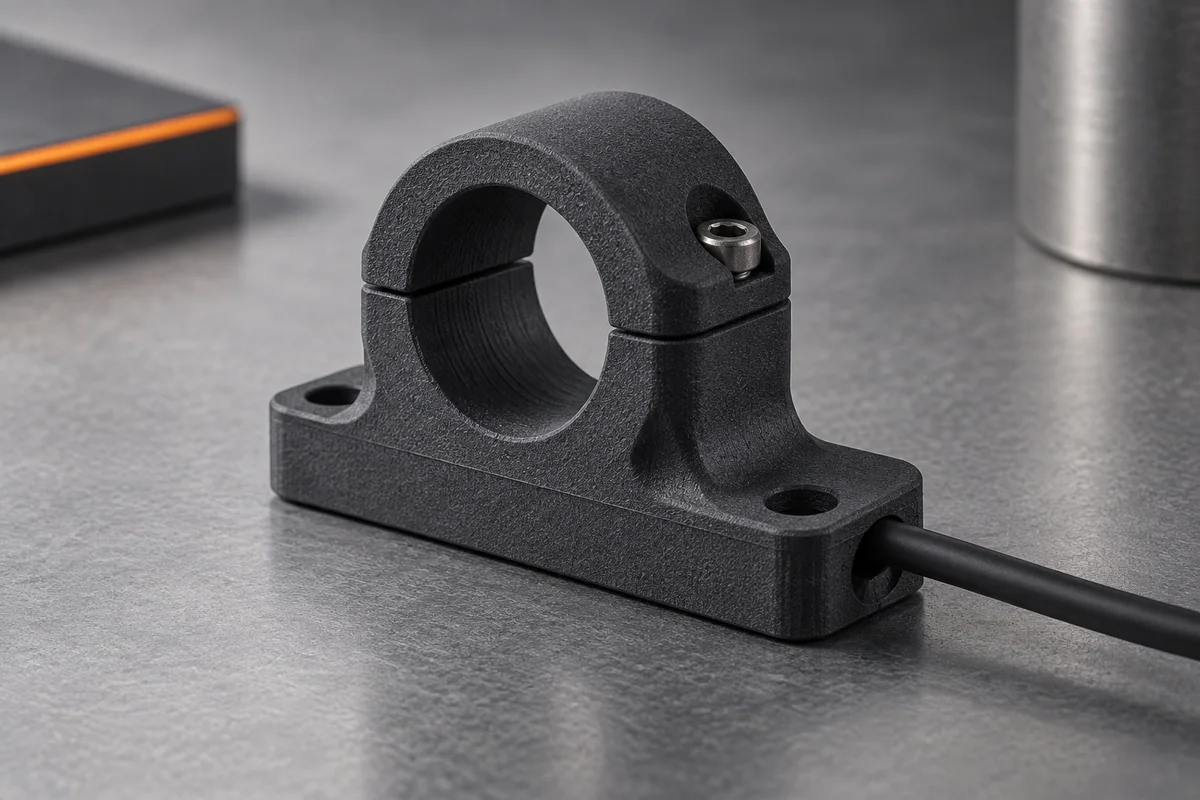
Precision assembly aids, fixtures, gauges and rigid connecting elements.
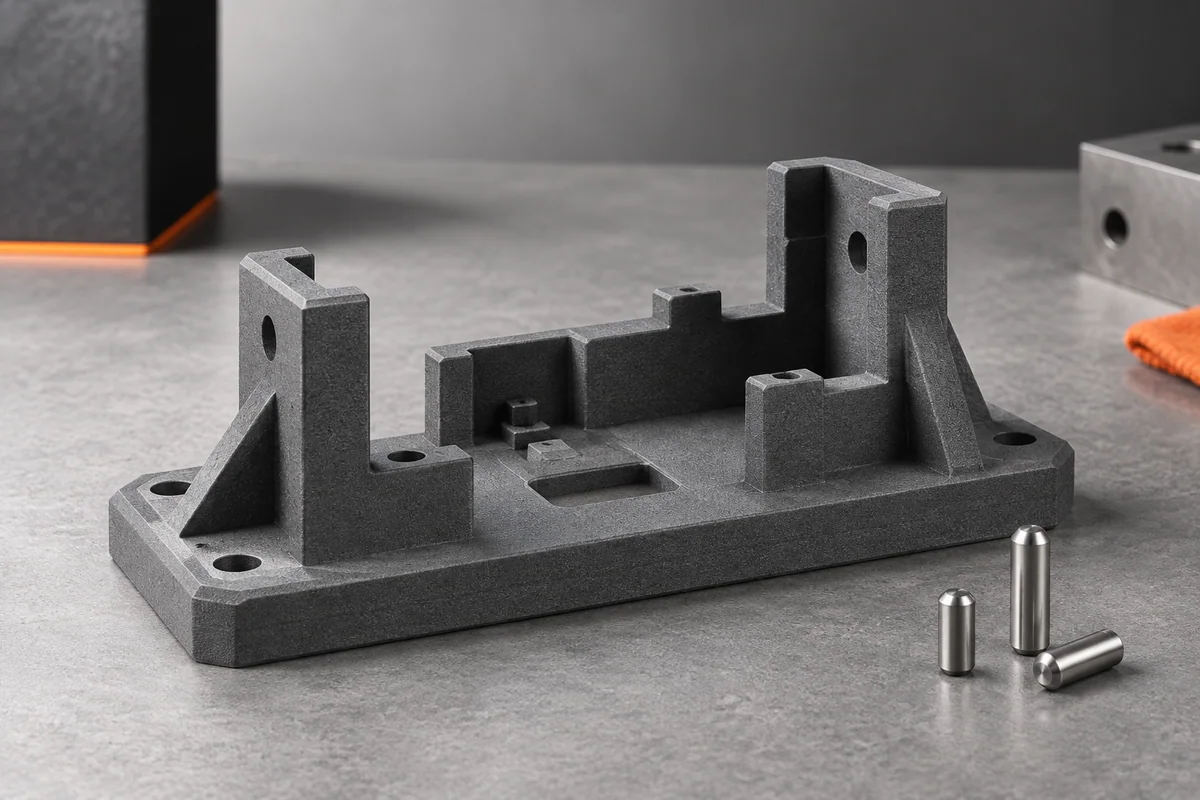
Rigid housings, mounting brackets, fixtures and parts with large support surfaces.
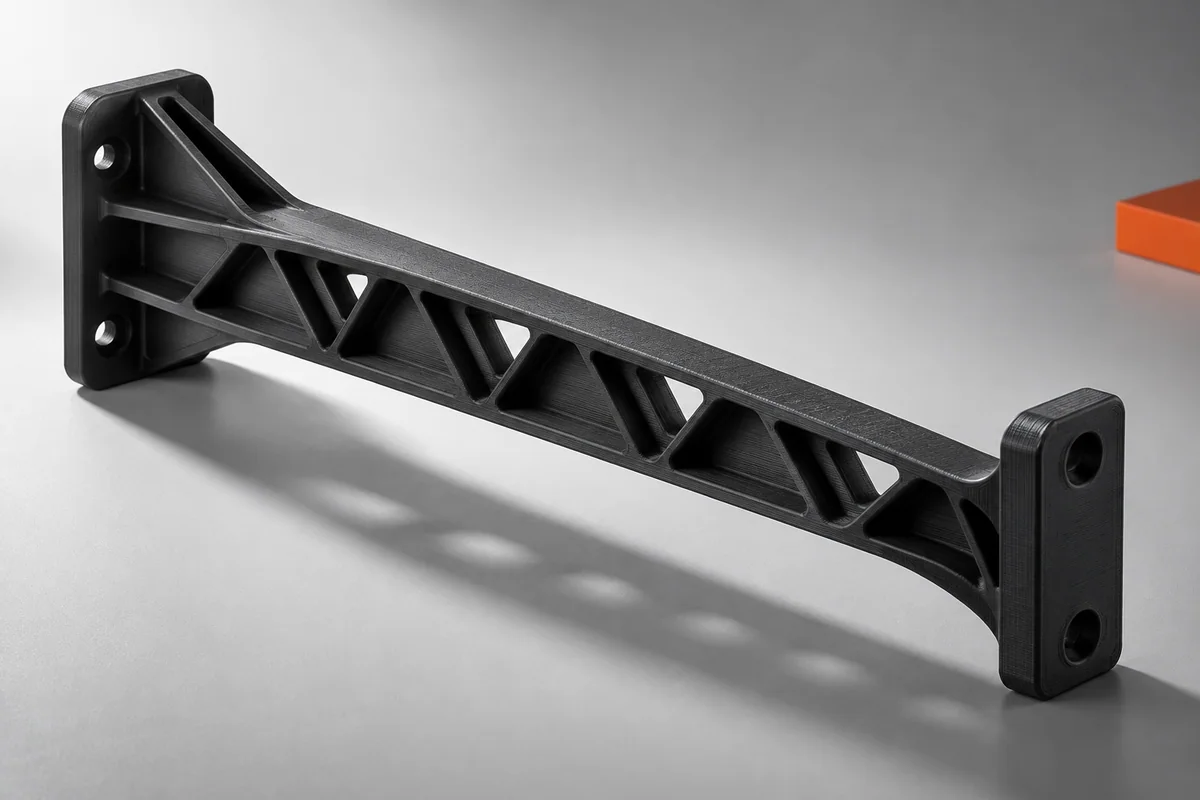
Rigid equipment brackets, mounting plates, housing components and precision functional prototypes.
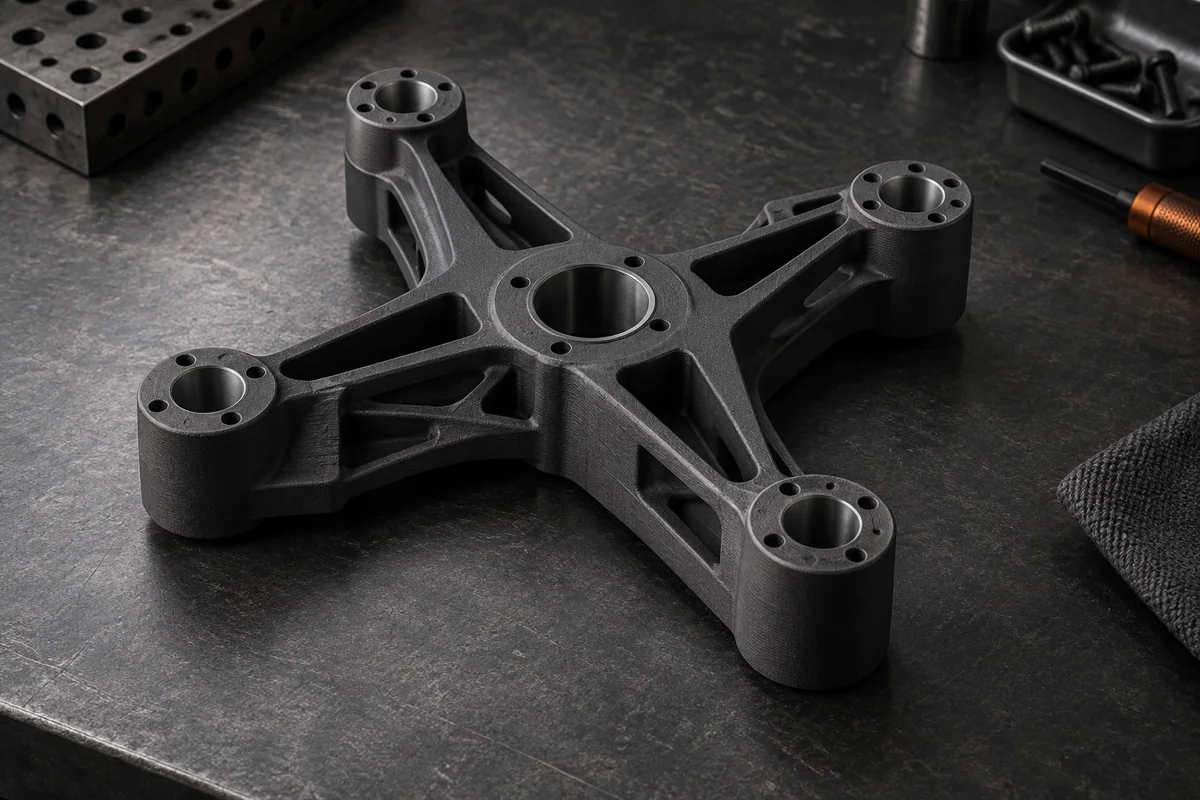
Rigid assembly fixtures, heat-exposed brackets and compact technical functional parts.
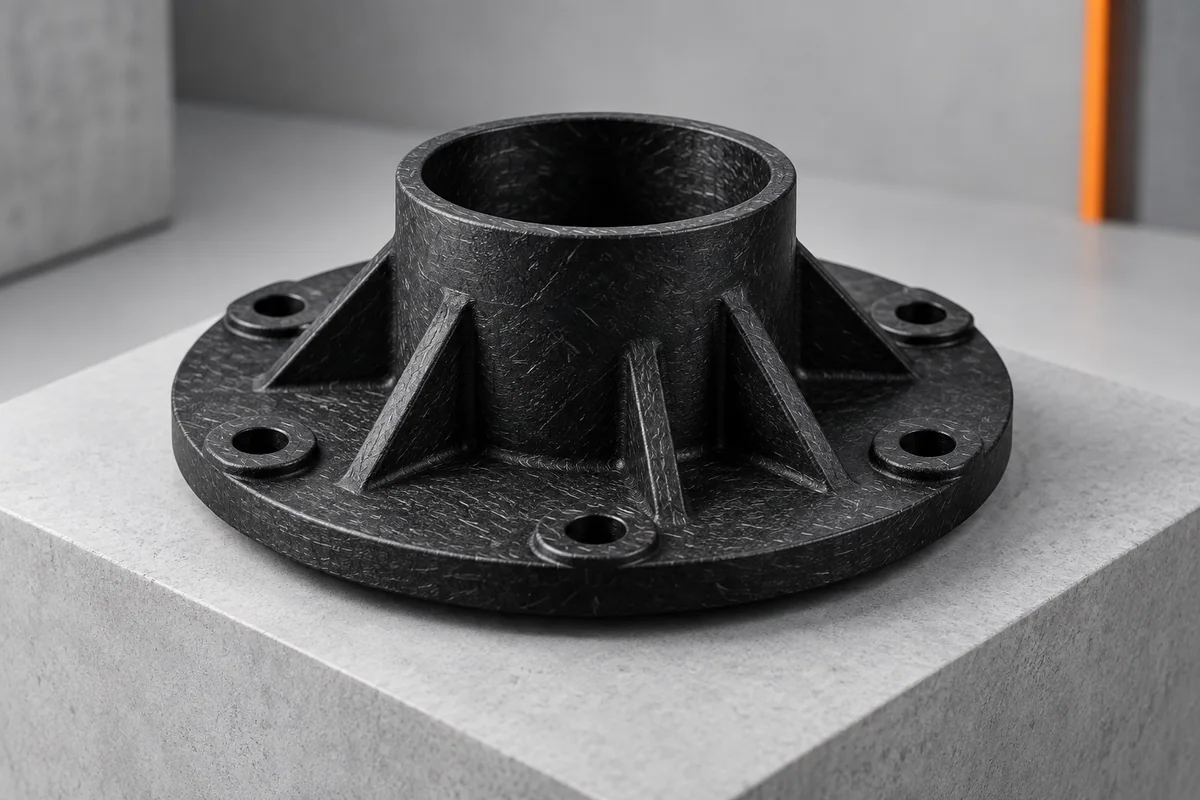
PPS-CF is suitable for rigid brackets, housings and tooling components in thermally or chemically demanding environments.
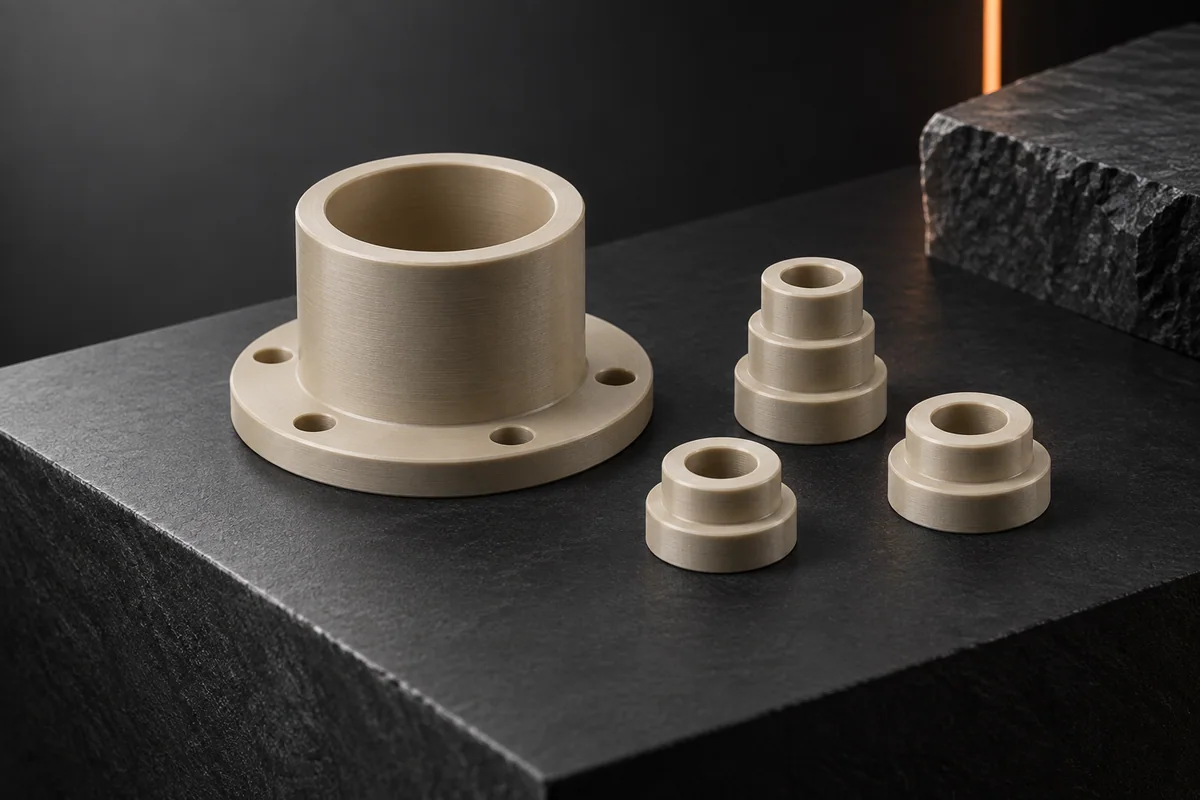
PEEK is an option for demanding functional prototypes, precision adapters and custom-designed components in plant engineering.
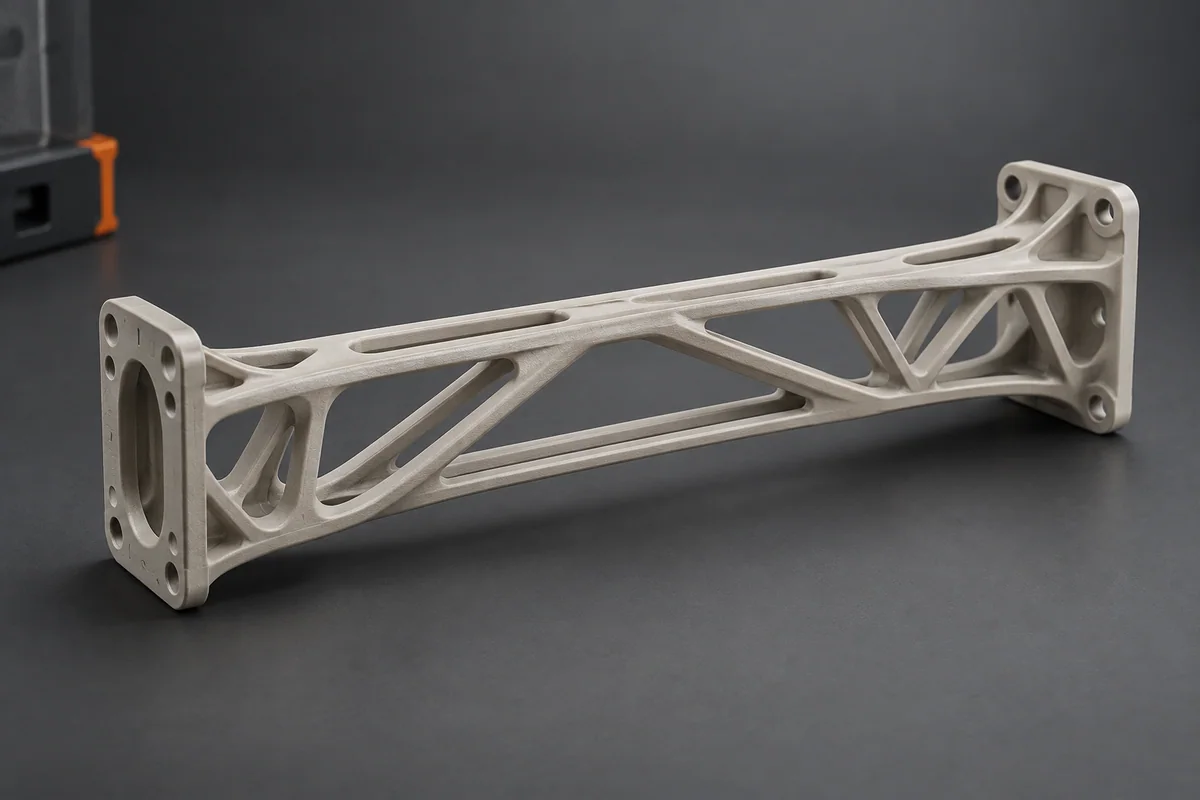
PEKK is suitable for demanding housings, assembly components, fixtures and technical prototypes with complex geometries.
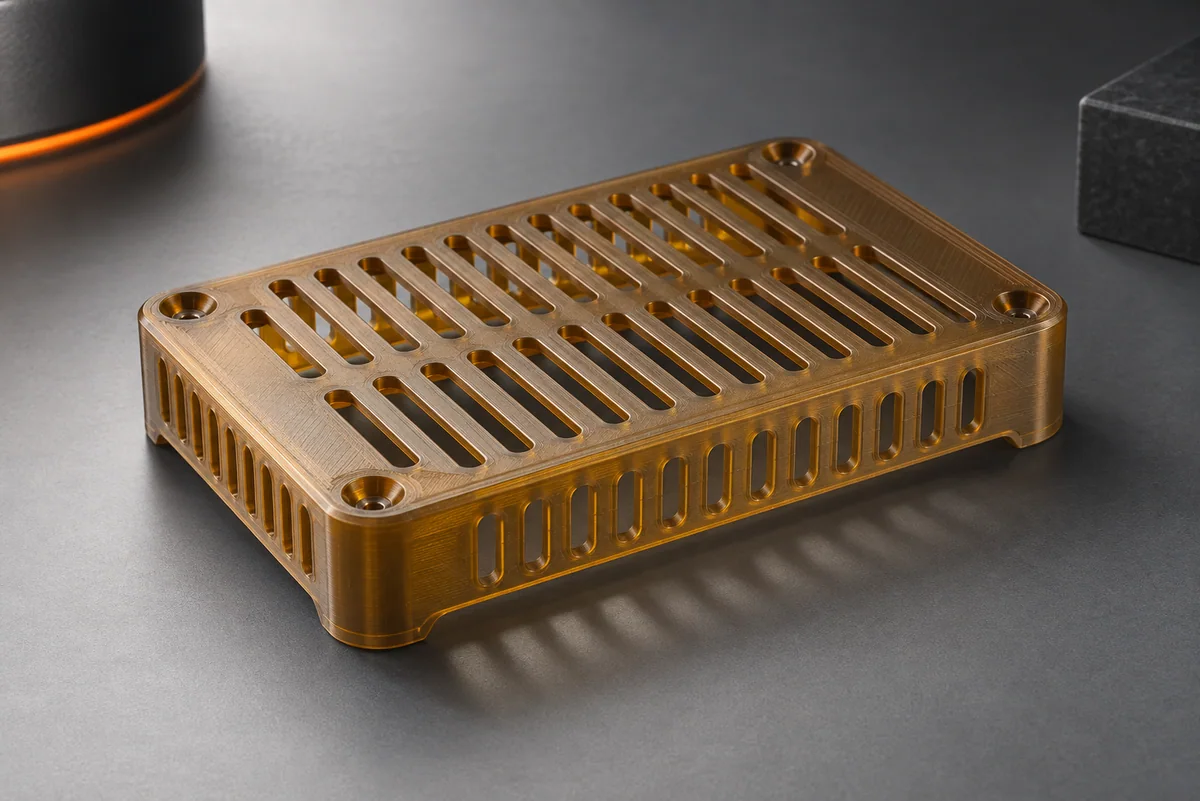
Custom housings, mounting brackets, covers and functional parts in demanding technical environments.
For complex geometries: Support materials assist during manufacturing and are removed afterwards. We select a suitable combination with your part material. PVA · BVOH · HIPS
Tell us what your part needs to do. We help with material, specification and the next steps.
View all materialsCut-outs, screw points and cable guides in a custom geometry. Specify connections and desired visible surfaces.
Position, guide, grip: practical plastic parts for repetitive tasks. Loads and contact surfaces determine the design.
Check shape and fit or restore an existing function. Our CAD service can help if data is missing.
FDM is often a sensible starting point when material variety, practical function or variants are priorities. For very fine small details and particularly smooth visible surfaces, a comparison with resin is worthwhile.
Discover resin printingLayer lines and support marks may remain visible. Visible surfaces and required post-processing are specified in the quotation.
Forces should be compatible with layer orientation. We consider screw connections, lever arms and loaded sections alongside material choice.
Plastics change dimensions as they cool. Large surfaces, thin walls, holes and close fits need careful planning.
Layer lines generally remain visible. We agree on support-contact areas and desired finishing in advance; additional work affects cost and lead time.
We assess your file, material and manufacturability together. You receive a written quotation before placing a chargeable order.
Tell us your preferred date. We assess whether accelerated production is possible as part of your enquiry.
For new parts or a planned production run, an initial sample can help check function and fit beforehand.
Do you need suitable CAD data?That depends on the material, wall thicknesses, geometry and print direction. Specify forces, continuous loads, temperature and mounting. A high infill percentage alone cannot replace a suitable design.
The technical reference value cannot be applied to all plastics, part sizes or holes without checking. We assess critical dimensions and fits using your data and explicitly agree on them in the quotation.
Finer layers and suitable orientation can improve the surface appearance. This does not automatically make layers completely invisible. If the visible surface is critical, we discuss finishing or another process.
The old shape alone is not enough to choose. Loads, heat, UV light and contact with media are relevant. Upload existing data or describe the part and select “Please advise”.
Yes. We assess enquiries from a single part. Pricing depends on material, geometry, manufacturing and agreed finishing.
Send your CAD file or describe your task. Together, we will define the right specification for your project.
Your enquiry is non-binding. Chargeable work only begins once you place an order.