Make fine shapes visible
Small structures, crisp edges and delicate geometries can be reproduced in detail. This helps with models, small components and assessing a new shape.
For example: model components and delicate master patterns.
Resin printing cures liquid resin layer by layer. The process is an option for fine geometries, models and suitable technical applications.
No 3D file yet? Describe the part and add any dimensions, sketches or photos you have.
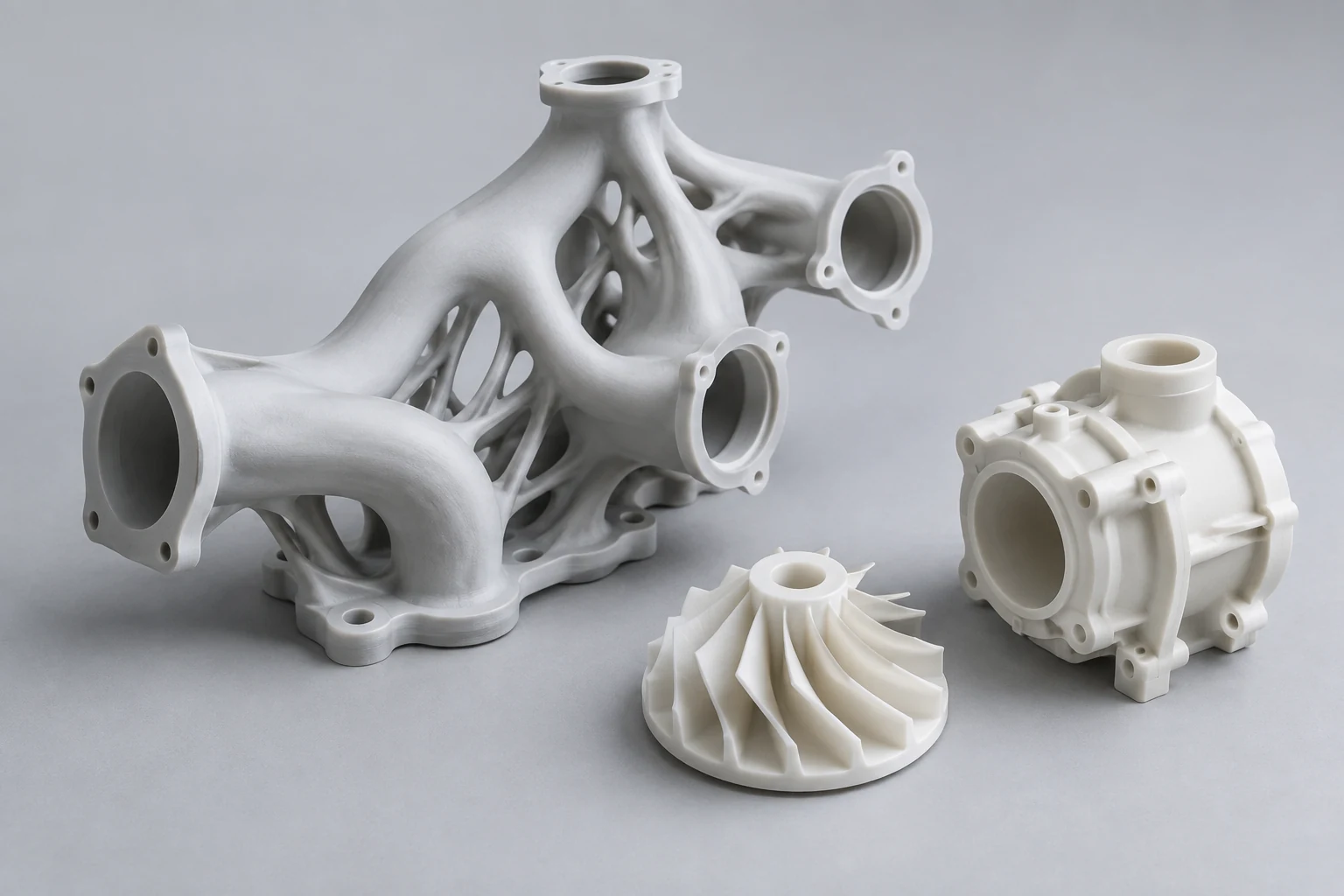
Standard, tough, flexible and other specialist resins have different properties. The term resin alone says nothing about toughness, heat resistance or suitability for your application.
Small structures, crisp edges and delicate geometries can be reproduced in detail. This helps with models, small components and assessing a new shape.
For example: model components and delicate master patterns.
Light-based printing enables a fine surface appearance. We plan visible surfaces and support positions so important areas are presented well.
For example: presentation samples and design prototypes.
Resin offers more than display-model materials. Tough, rigid, elastic and transparent resin families open up different functional applications.
For example: Tough for functional samples, Clear for a view inside.
Resin printing cures liquid photopolymer layer by layer with light. LCD-based processes use a display as the exposure mask. Parts are then cleaned, supports removed and post-cured according to the chosen resin.
Fine XY resolution provides a good basis for reproducing details in resin. Whether a hole, fit or outer contour meets the specified dimension also depends on the material and the entire manufacturing process.
This corresponds to 0.014 × 0.019 mm in the exposure plane. Small pixels support fine detail; they do not promise equally small dimensional deviations or free-standing features.
The actual profile is selected according to resin, geometry and desired surface finish. A finer layer does not guarantee a closer fit.
Critical dimensions are agreed using your drawing. Where necessary, we agree on sampling before manufacturing a production run.
Resolution and layer height are technical reference values. They are not based on our own measurement series on FORMACT parts and are not guaranteed finished-part tolerances.
Layer height and resolution describe the printing process. A dimensional tolerance describes the permitted deviation of the finished part. We confirm binding part tolerances in the quotation after reviewing your data.
The specified dimension would be permitted to fall between 19.90 and 20.10 mm. This calculation example is a requirement, not a manufacturing commitment.
Send a drawing for assessmentFine details, rigidity or elastic behaviour: the resin family is selected to suit the application. We agree on the specific material grade and post-curing for your project.
Compare materials by application, thermal performance and mechanical properties.
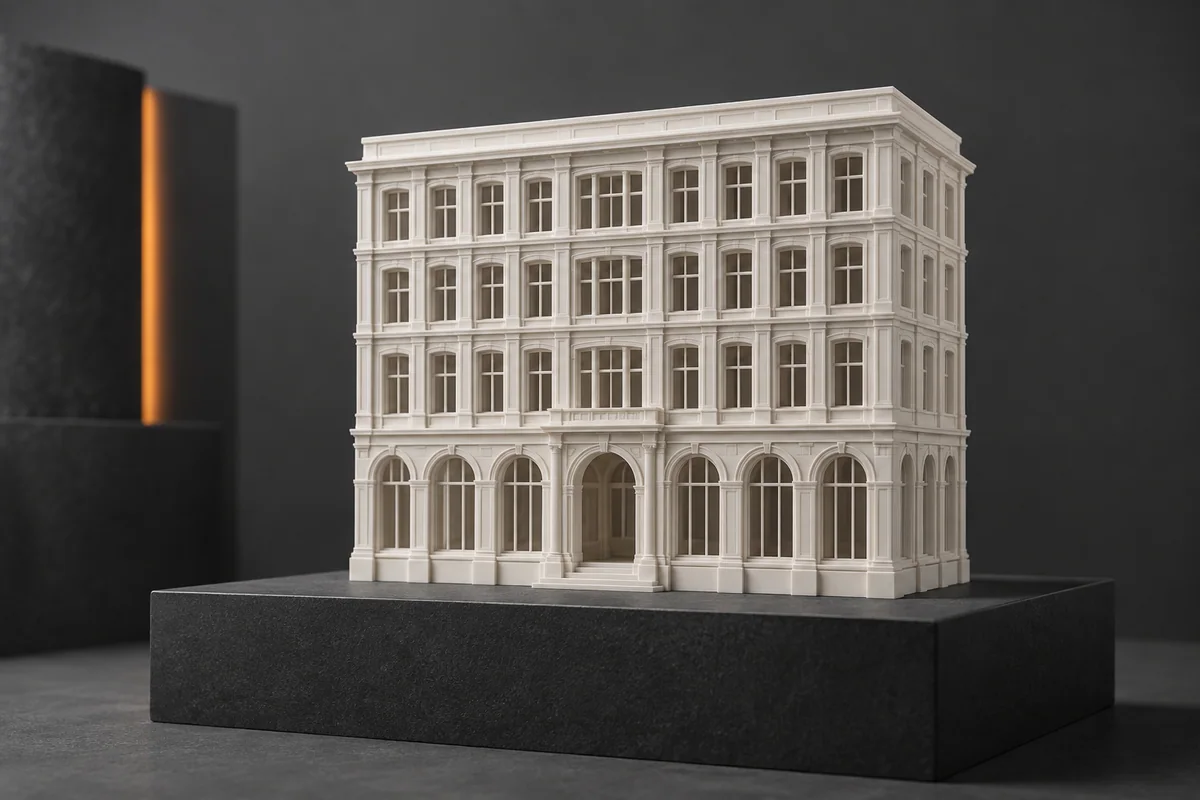
Miniatures, architectural models, display housings and detailed design samples. Standard Resin reproduces fine contours and small lettering for assessing shape, proportions and assembly.
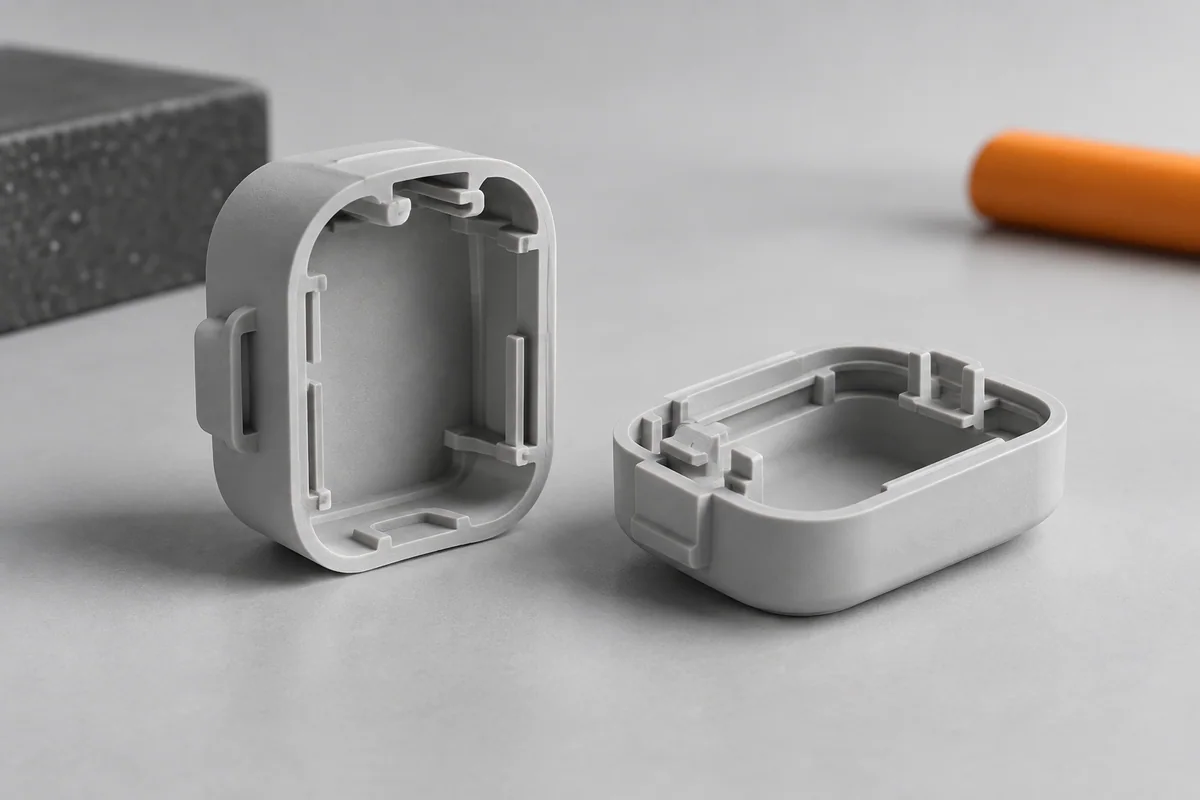
Detailed housing samples, assembly prototypes, model components and handheld design models. ABS-like Resin combines crisp small features with greater resilience during handling and assembly.
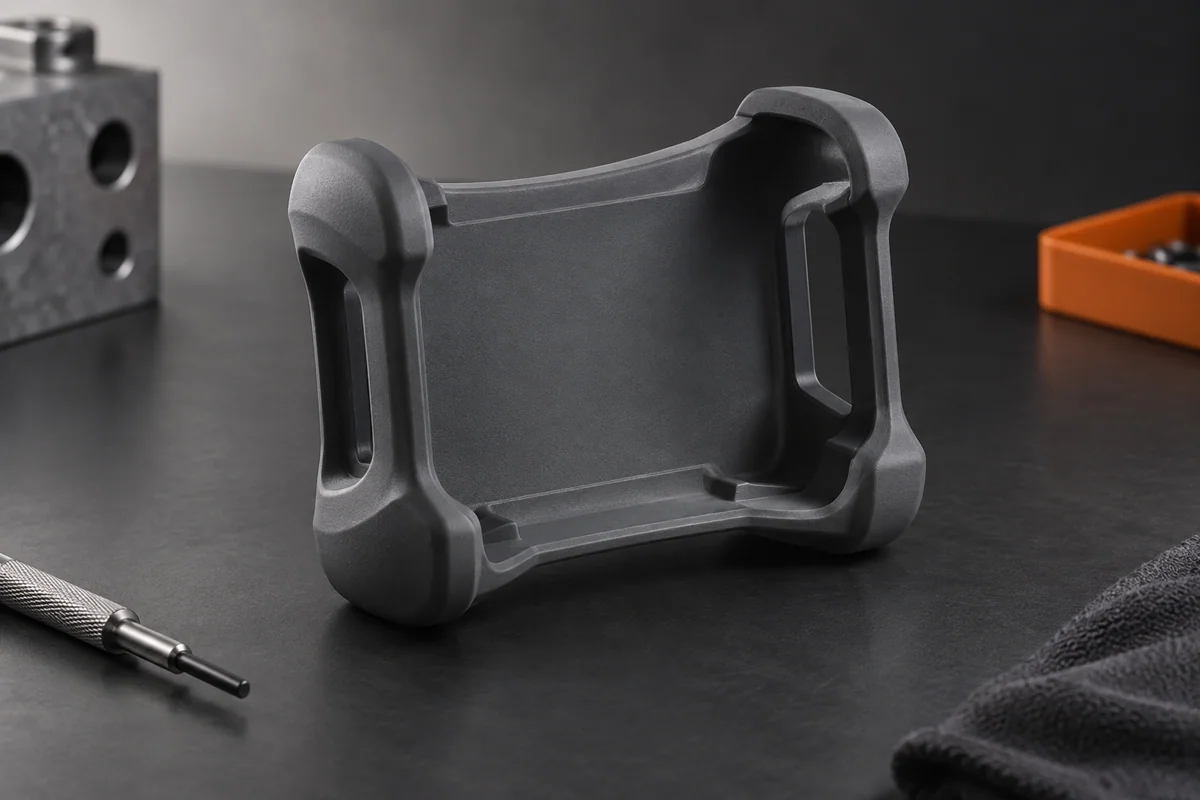
Robust assembly prototypes, protective housings, clips and brackets with flexible sections. Tough Resin is particularly useful when a detailed part needs to flex during insertion, handling or compression.
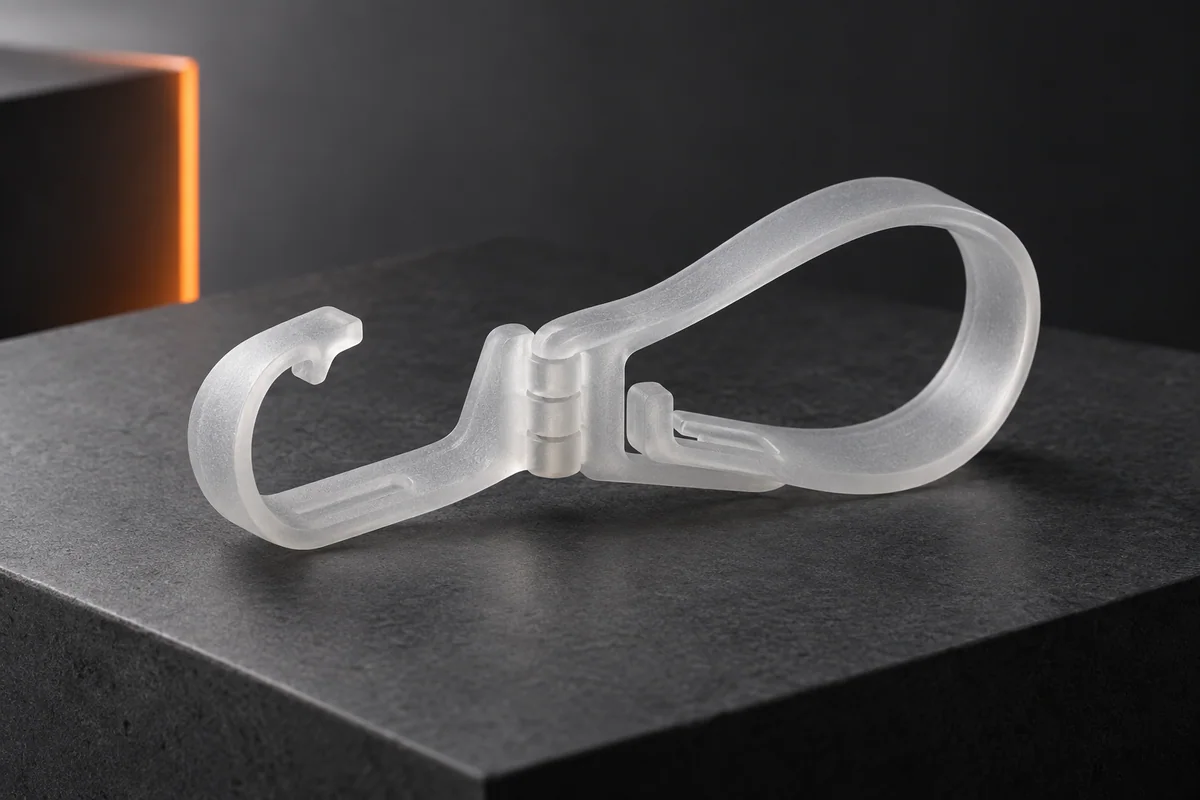
Compressible housing samples, moving assemblies, sliding and push-fit tests, and yielding brackets. Durable Resin suits functional models that combine controlled flexibility with a pleasantly smooth contact surface.
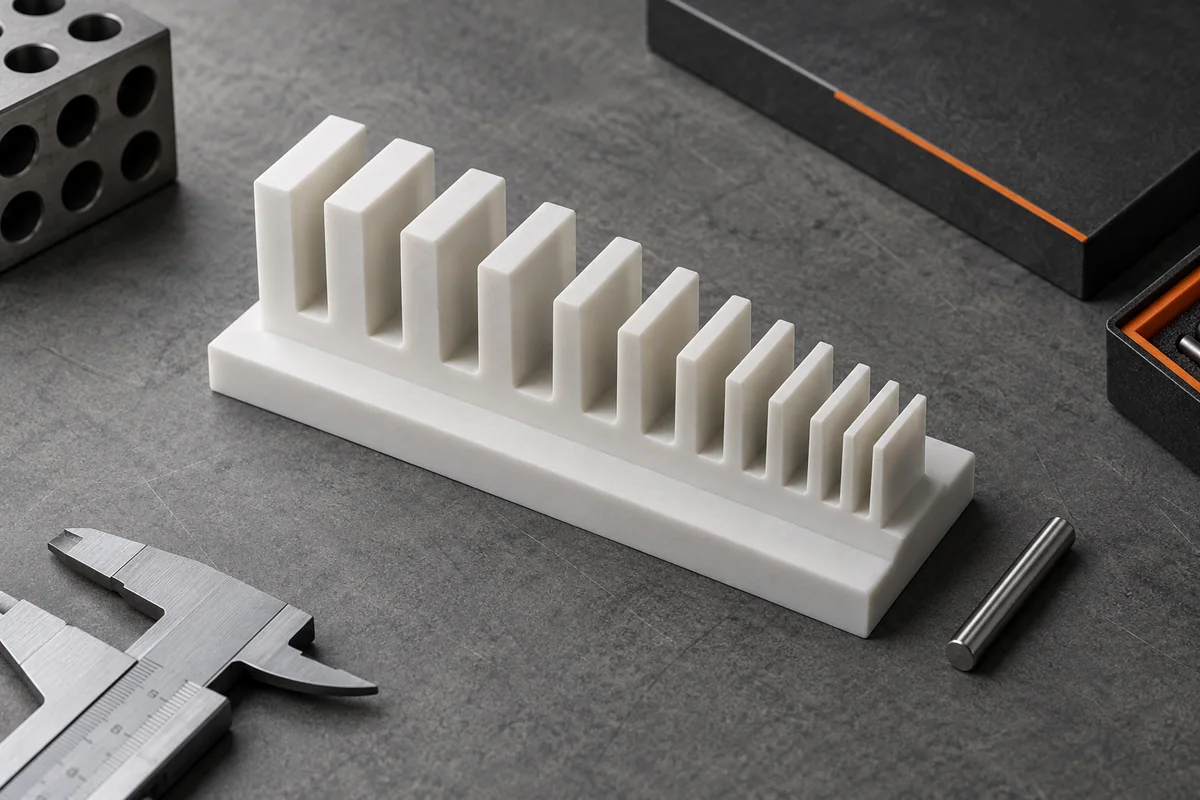
Rigid assembly aids, test holders, housings, dimensionally stable brackets and detailed technical samples. Rigid Resin is a good choice when a part should deform as little as possible under a moderate test load.
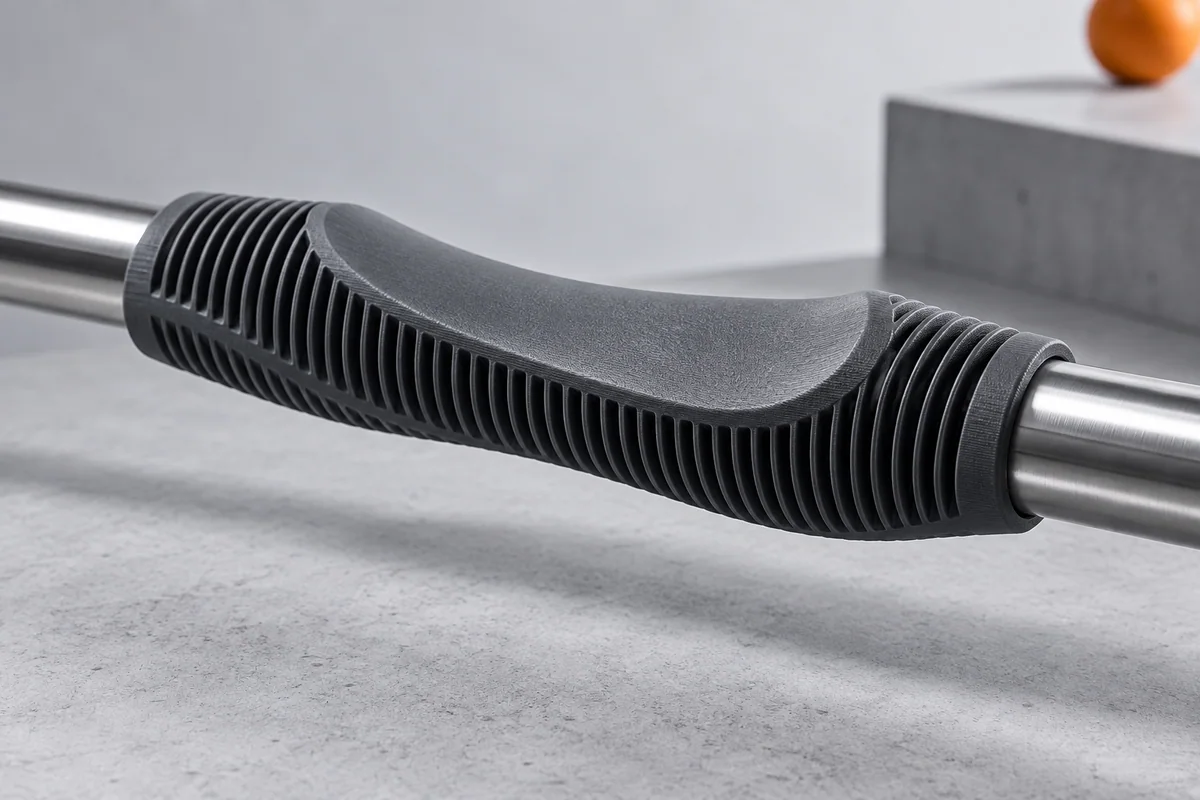
Flexible protective elements, grip and housing samples, soft contact pads and flexible model parts. Flexible Resin lets you explore feel and deformation with detailed prototypes.
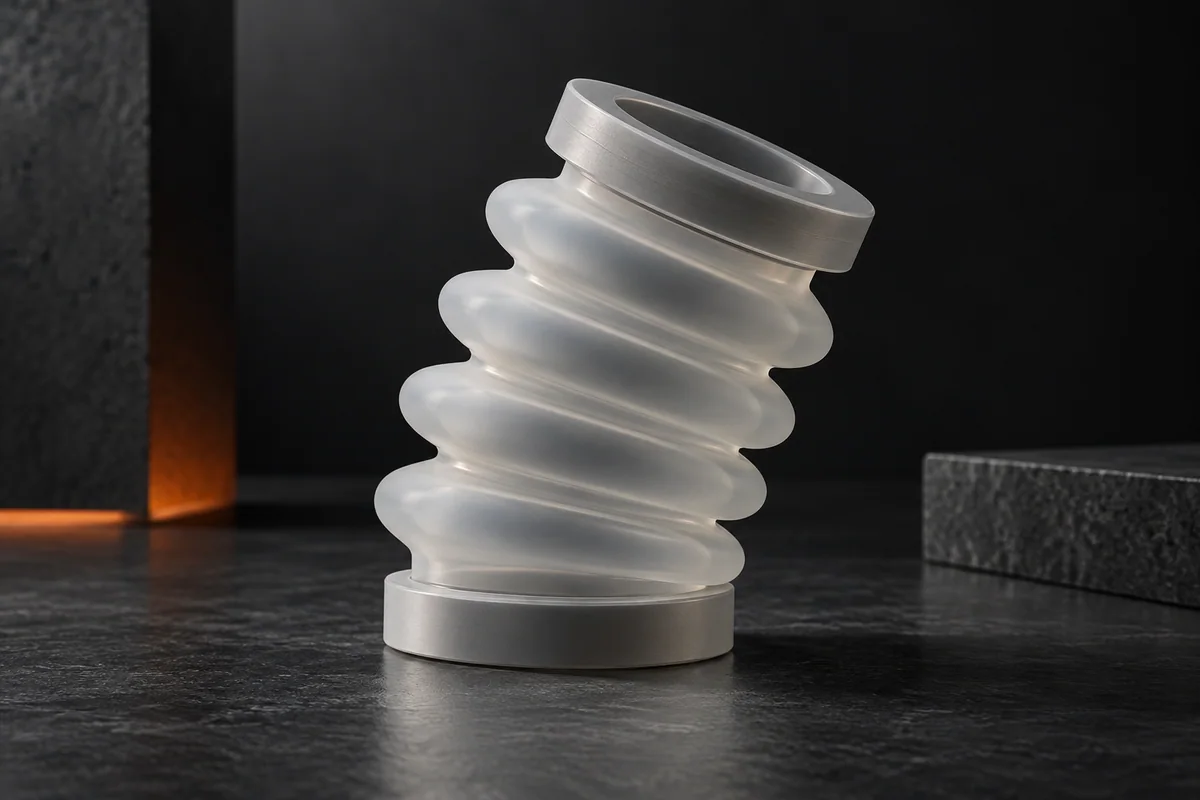
Soft protective caps, cushioning geometries, compressible functional samples and elastic contact parts. Elastic Resin suits detailed models where softness is an important part of the function.
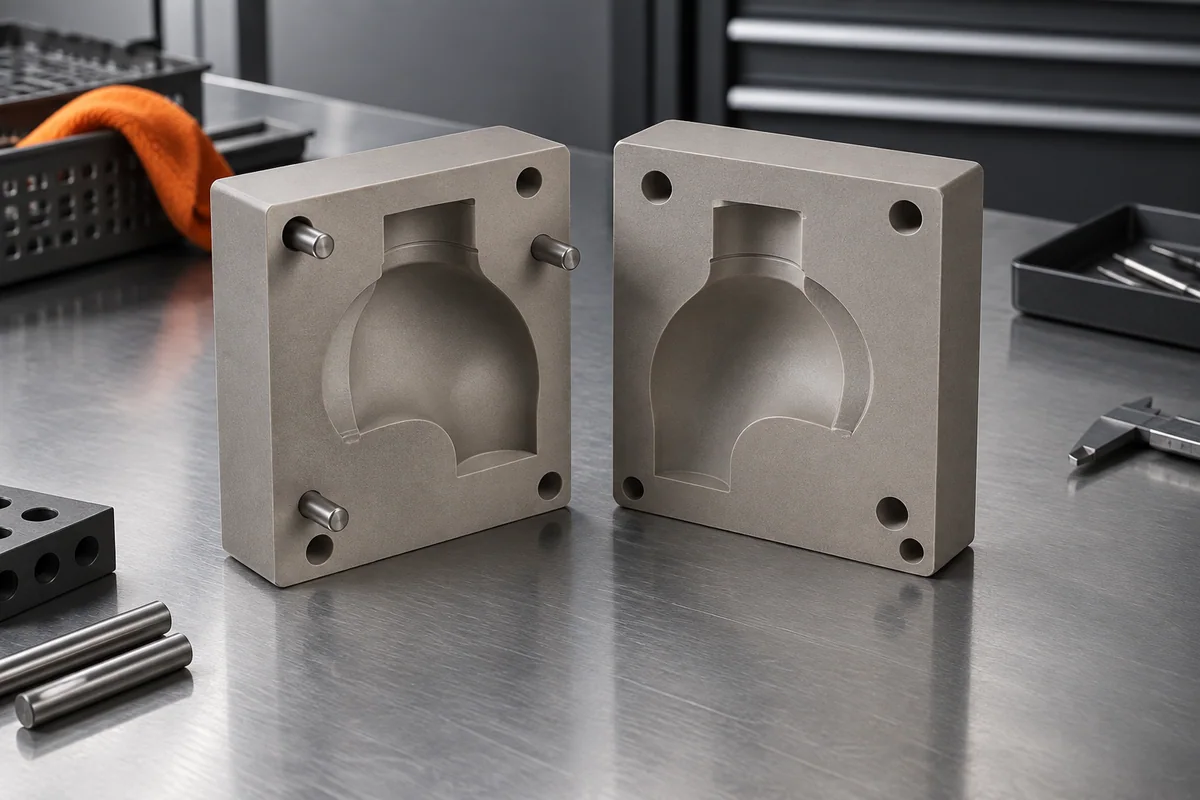
Heat-exposed display and functional samples, thermal test holders and detailed mould inserts for suitable small-run processes. High-Temperature Resin is an option when a conventional modelling material softens too readily under heat.
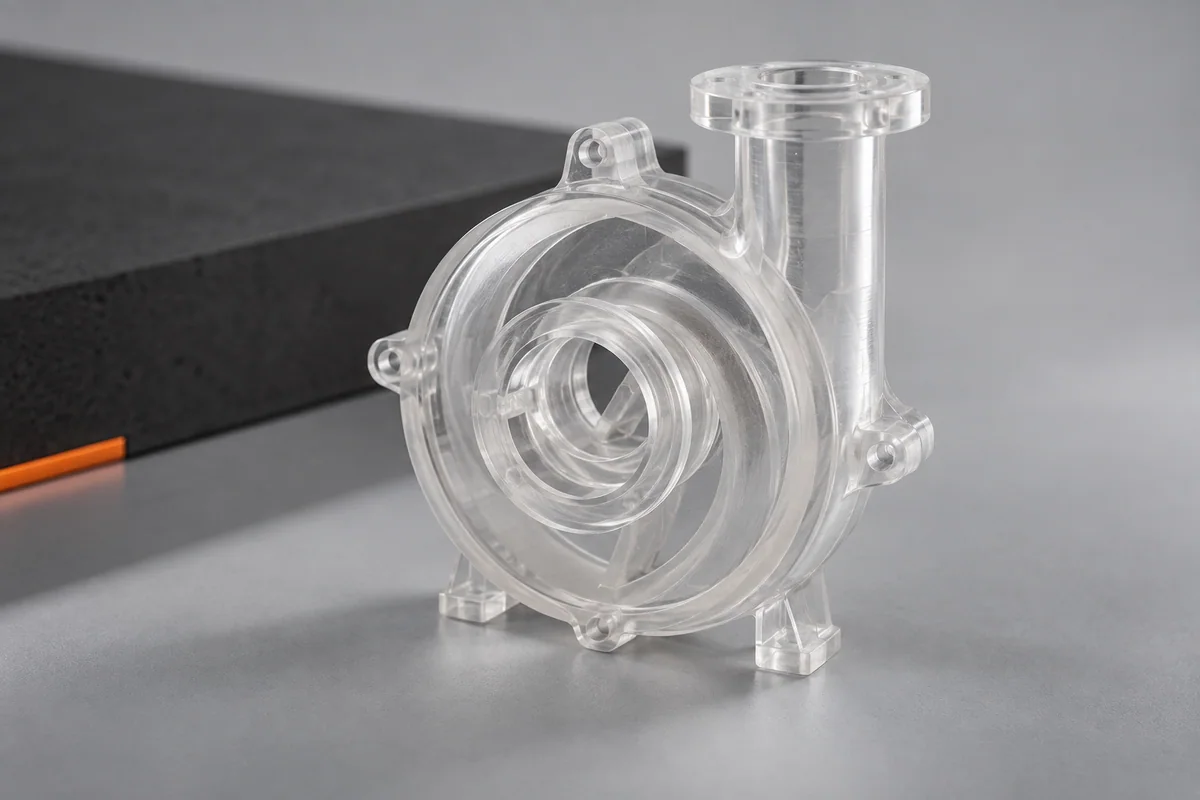
Transparent housing samples, visual models of channels and fluid paths, lighting prototypes and design objects. Transparent Resin reveals internal geometries and how components interact.
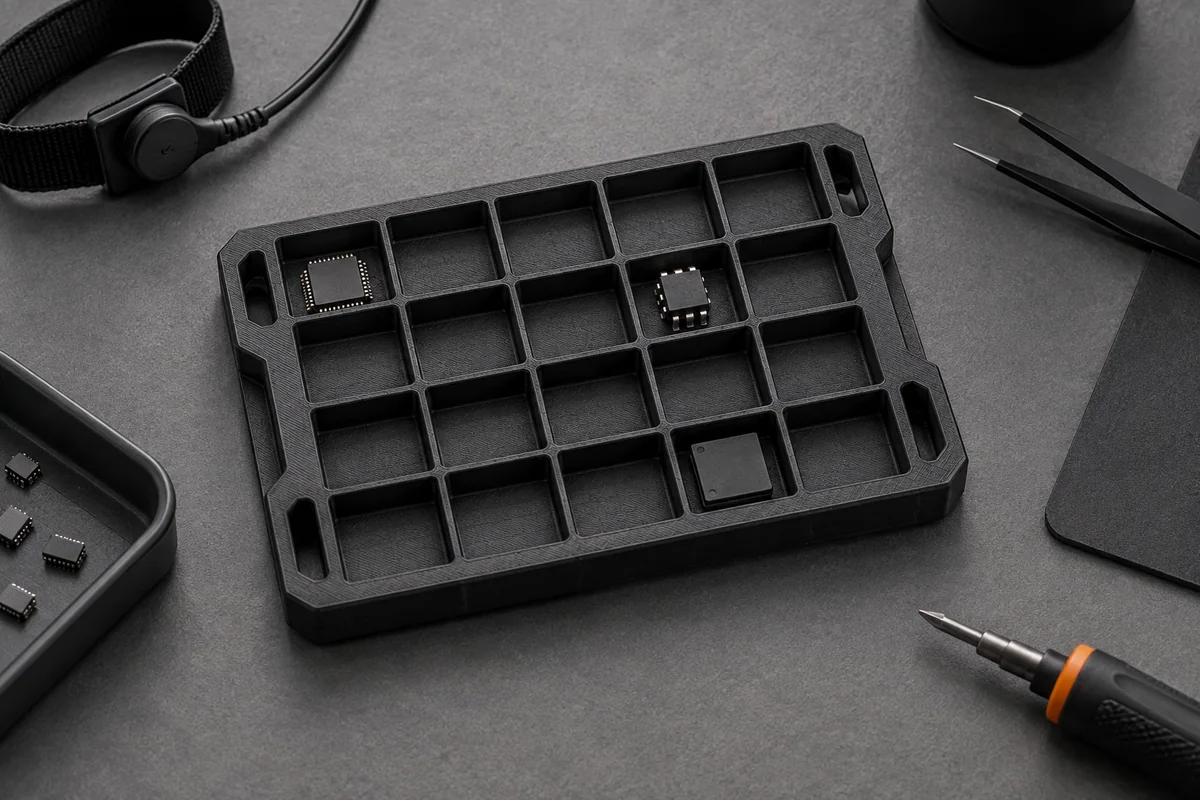
PCB holders, assembly aids, component carriers and tools for electrostatically sensitive electronics. ESD Resin enables precisely fitting aids tailored to your assembly.
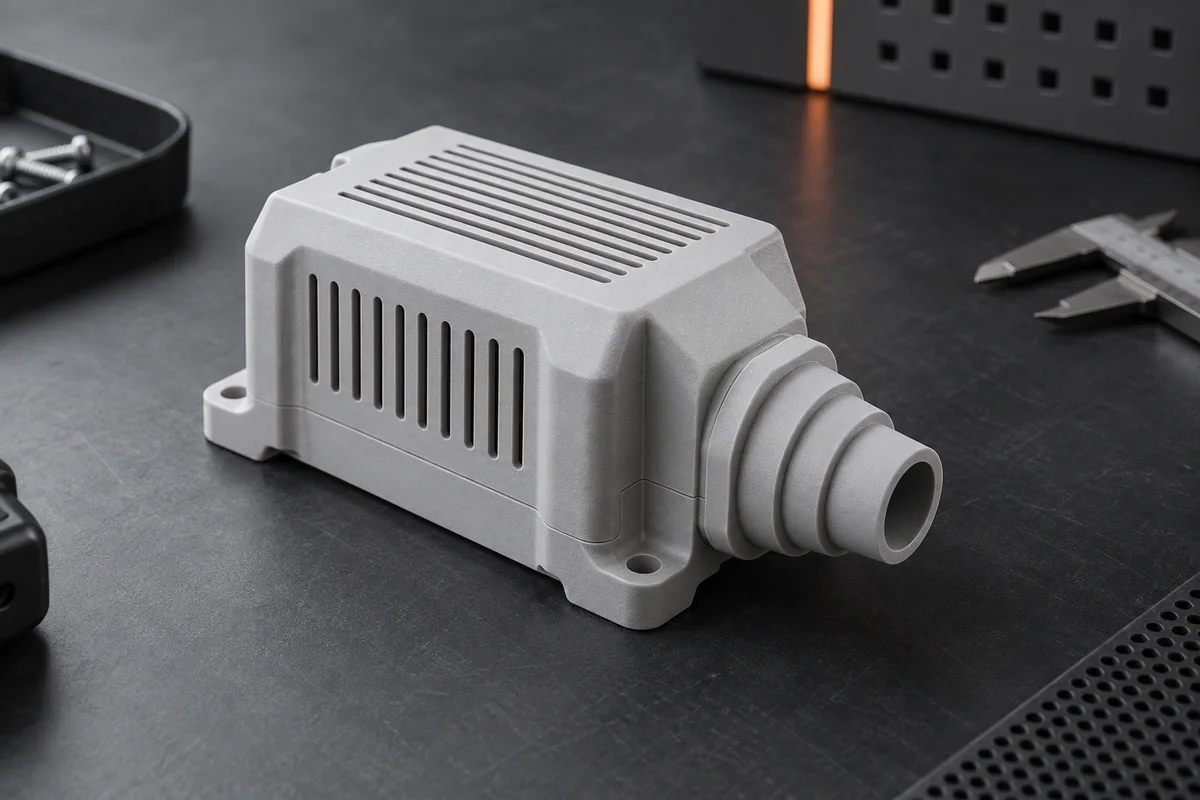
Technical covers, connector housings, assembly aids and functional samples with fire performance requirements. Flame-Retardant Resin combines fine contours with high rigidity and heat deflection resistance.
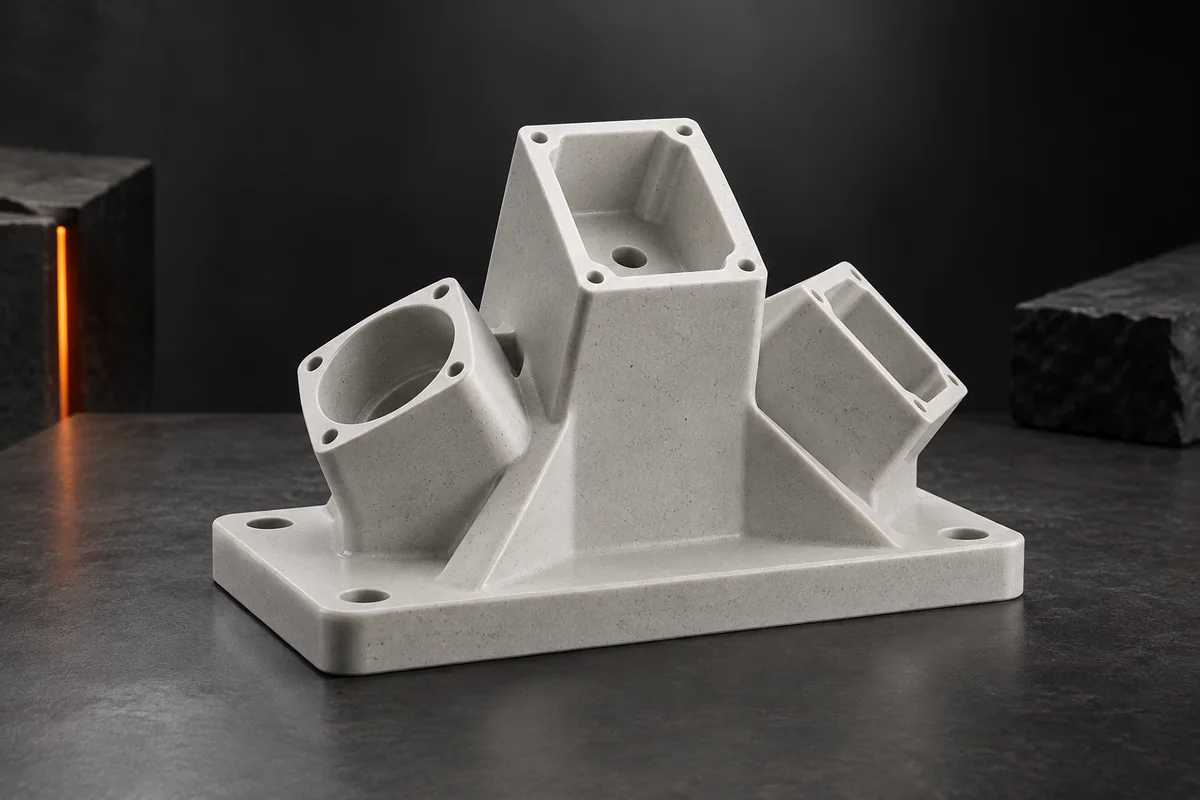
Particularly rigid fixtures, test holders, flow models and detailed tooling inserts. Filled Resin suits technical geometries where minimal deformation and a firm surface are priorities.
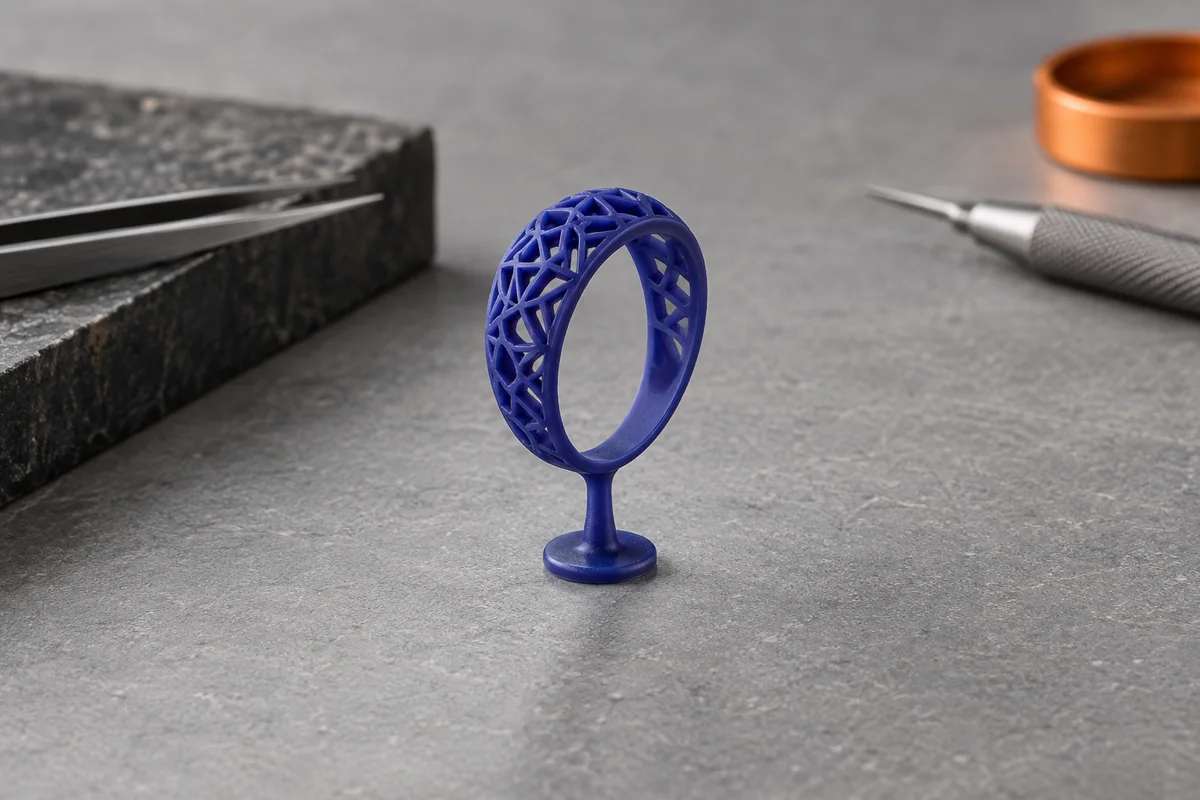
Sacrificial patterns for jewellery casting, fine ornaments, custom fittings and detailed investment-cast metal parts. Castable Resin reproduces delicate shapes and recessed or raised engravings directly from 3D data.
Tell us what your part needs to do. We help with material, specification and the next steps.
View all materialsAssess proportions, contours and details on a physical model. Surface finish and visible areas can be tailored for presentations.
Housings, assembly prototypes and holders with small functional features. The resin's property profile follows the intended use.
Detailed original designs or casting patterns made from suitable castable resins. Manufacturing a master pattern does not include metal casting.
Resin is particularly interesting for small details, models and demanding visible surfaces. Where thermoplastics, a specific continuous load or a larger functional structure take priority, we compare the requirements with FDM.
Discover FDM printingCleaning, post-curing and support removal affect the result. Visible surfaces and additional surface work are agreed in advance.
Supports secure the geometry but leave contact marks. Specify visible surfaces and delicate details so we can consider their orientation.
Exposure, cleaning and post-curing affect dimensions and material properties. The specific resin grade and its processing therefore belong together.
Liquid resin must be removable from cavities. Drainage, accessibility and tightly toleranced interfaces are considered during data review.
We assess your file, material and manufacturability together. You receive a written quotation before placing a chargeable order.
Tell us your preferred date. We assess whether accelerated production is possible as part of your enquiry.
For new parts or a planned production run, an initial sample can help check function and fit beforehand.
Do you need suitable CAD data?No. Resolution describes the exposure grid. Pixel size helps explain detail reproduction; the dimensional deviation of a finished part also depends on geometry, resin, exposure, supports and post-curing.
No. Alongside Standard Resin, there are Tough, ABS-like, Rigid, Flexible and other technical families. We assess which grade suits the actual loads before manufacturing.
No. ABS-like is a photopolymer with a correspondingly tailored property profile. ABS in FDM printing is a thermoplastic. The two materials cannot be equated by name alone.
Clear Resin enables transparent models. However, the optical effect also depends on shape, surface and post-processing. If a particular area needs to be see-through, mark it in your enquiry.
Yes. Sampling can be useful for a new part before further pieces are made. The data version, resin, specification and key dimensions are agreed beforehand.
Send your CAD file or describe your task. Together, we will define the right specification for your project.
Your enquiry is non-binding. Chargeable work only begins once you place an order.